Saturday, April 14, 2018

The Organisms in Your Compost

organism jpg

“While browns and greens are essential to composting, they only provide the venue and the buffet. A vast web of critters, creatures, and itty-bitty beings do all of the work of transforming browns and greens into black gold. Composters fondly refer to them as the F.B.I.: fungi, bacteria, and invertebrates. Check out their dossiers.

1. Fungi

Why did the mushroom get invited to the compost dance party? Because he’s a fungi (geddit, fun-guy?) . . . and he can sure break it down!

Fungi are microorganisms that include molds, mushrooms, and yeasts. Common in cooler temperatures, they do a great job of decompos­ing cellulose and lignin, the woodier components of plant matter that can be too dry, acidic, or low in nitrogen for bacteria to work on. Fungi perform this vital task by squirting enzymes into their food and noshing on the nutrients released in this process. This occurs predominantly in meso­philic temperatures, which range from 40 to 110 degrees Fahrenheit. Fungi are most commonly found in compost made from leafy, woody ma­terials. If you’d like your compost to be more fungally dominated, make sure to work lots of landscaping waste into your pile.

2. Bacteria

Bacteria are single-celled microorganisms that exist virtually everywhere. In fact, they are inside your body right now, about a hundred trillion of them, or ten times the number of cells you have. (Are you freaking out? Don’t.)

In a compost pile, bacteria do most of the decomposition work. Me­sophilic bacteria chow down on sugars and starches and are most produc­tive in a temperature range of 70 to 90 degrees Fahrenheit. Most backyard compost piles are mesophilic, taking their temperature cues from the ambient air. As mesophilic bacteria eat, they produce heat, and the tem­perature of the compost system begins to rise. If they achieve temps of about 104 degrees, it gets a little too warm for them and their population dies off.”

READ THE FULL LIST AT: “MotherEarthNews.com“

Friday, April 13, 2018

The Rise in Urban Chicken Farming


DENVER — Gone are the days of moving to rural communities to become farmers. Instead, more and more people living in metro areas are becoming, ‘Urban Farmers’; especially when it comes to raising chickens.

“I joined a lot of chicken groups on the internet I never thought I’d join,” a slightly embarrassed Aaron Serna admitted.

At first, Serna didn’t know a thing about chickens. But the more he researched them, the more he found himself intrigued. Same goes for Ryan Zeman.

“Chicken facts 101,” Zeman joked.

Both men started raising chickens as a way to appreciate their food more and because of the health benefits associated with it.

“We just kind of wanted to experience and be more connected to our food,” Serna said. “I think it’s something people don’t really understand the amount of energy and work that goes into making food. So it was a way for us to understand that and be more appreciative”.

Read the FULL STORY at: “KDVR.com“

Wednesday, April 11, 2018

How Urine Can Replace Synthetic Fertilizer

urine-fertilizer-2_slide-2a34f0a6af64f991d9d0c656d73fd969c8b3a655-s900-c85

“The nitrogen used in commercial fertilizers is synthesized in a process fueled by natural gas, a fossil fuel, which now is increasingly derived using the controversial practice of fracking.

The phosphorus comes from the mined rock phosphate, a non-renewable resource. High-quality reserves are gradually and steadily being depleted. Rich Earth says along with “peak oil,” we’re now entering a period of “peak phosphorus.”

The potash that’s being mined for potassium is also a non-renewable, depleting resource.

So why not do what humans and other animals have done for millions of years — recycle the nutrients from our waste back into the soil? Not only does the practice replenish the soil, it keeps the nutrients out of waterways, where they don’t belong.

Urine typically passes through wastewater treatment plants into rivers, lakes, and bays. In the aquatic environment, excess nutrients (particularly nitrogen and phosphorus) can cause destructive algae blooms that eliminate oxygen from the water.”

photo-4

Read the FULL STORY at: “ReturnToNow.net“

Friday, April 6, 2018

Spiral Shaped Beehives Mystify Scientists [Video]

“Scientists baffled by the mysterious spiral-shaped fortresses of curious species of “stingless” bees in Australia.”“The spiral hives have only one entrance protected by a mix of beeswax and propolis to kill any outside germs and guardian bees to kill any intruders. Any invaders that do make it through are “mummified” in mud and soil, Heard tells National Geographic.”

Not only do Australia’ Sugar Bag Bees, not sting, they are brilliant architects, building amazing spiral-shaped hives.

Original story ReturnToNow.net: “ReturnToNow.net”

Thursday, April 5, 2018

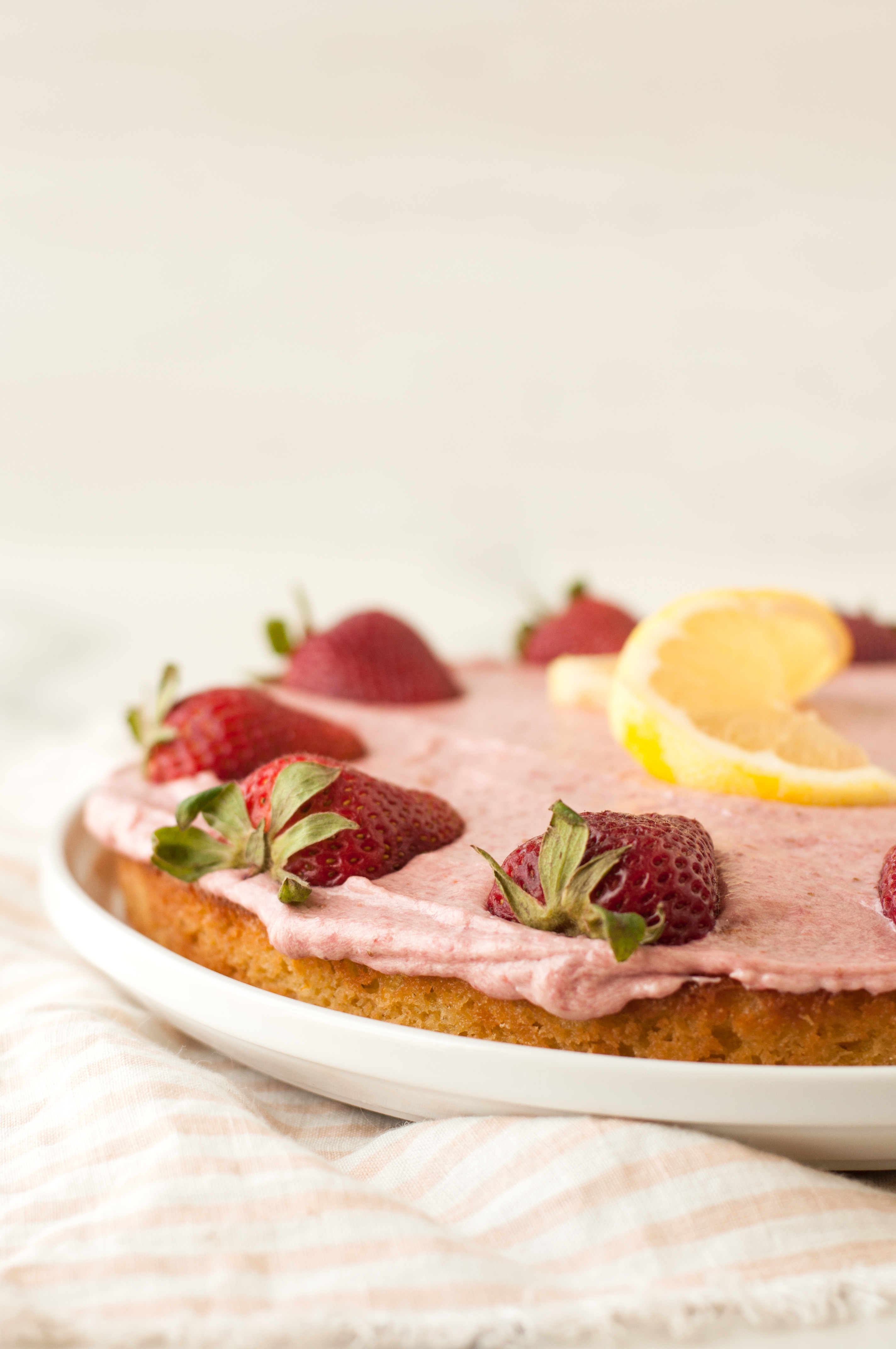
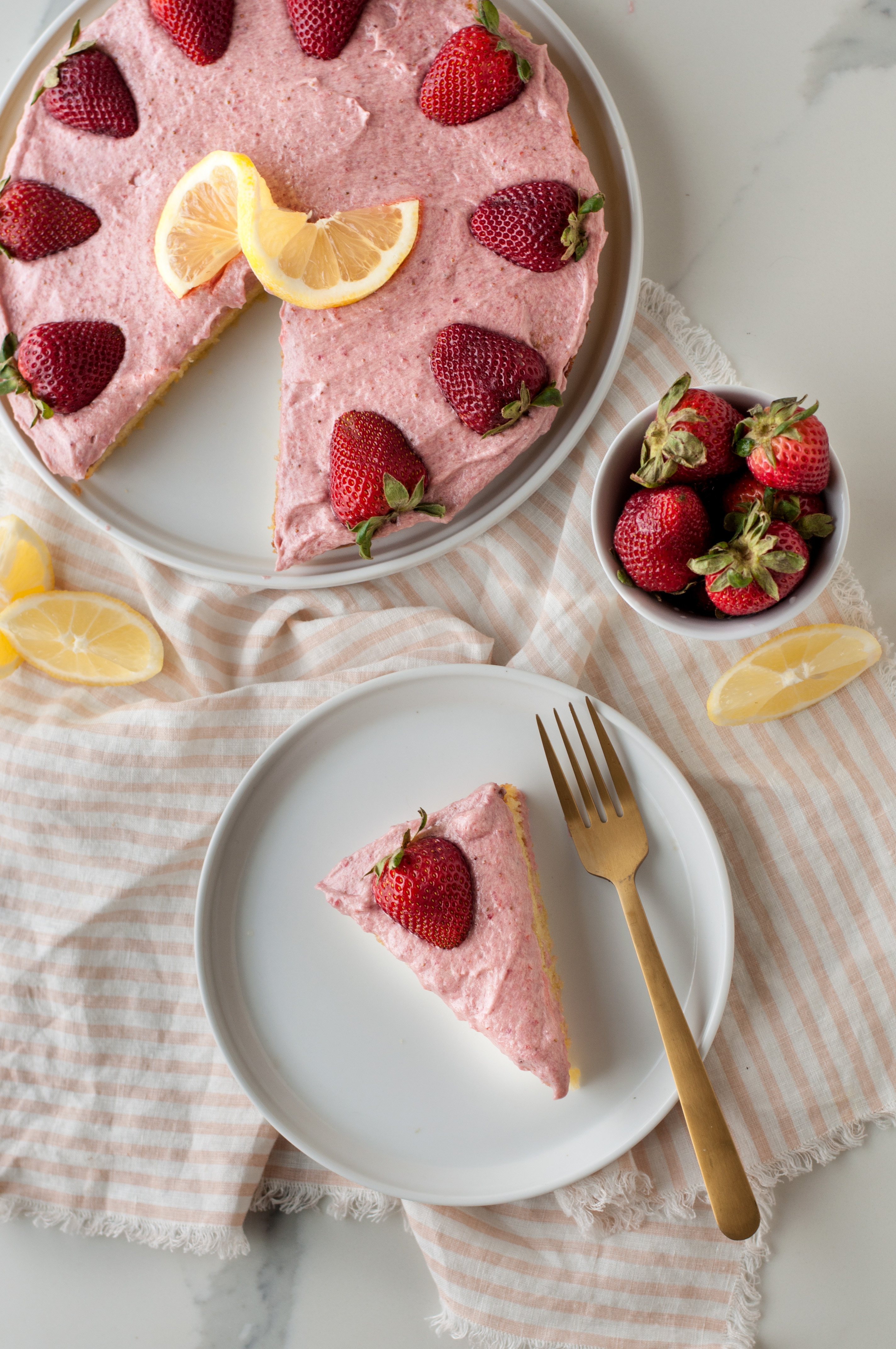
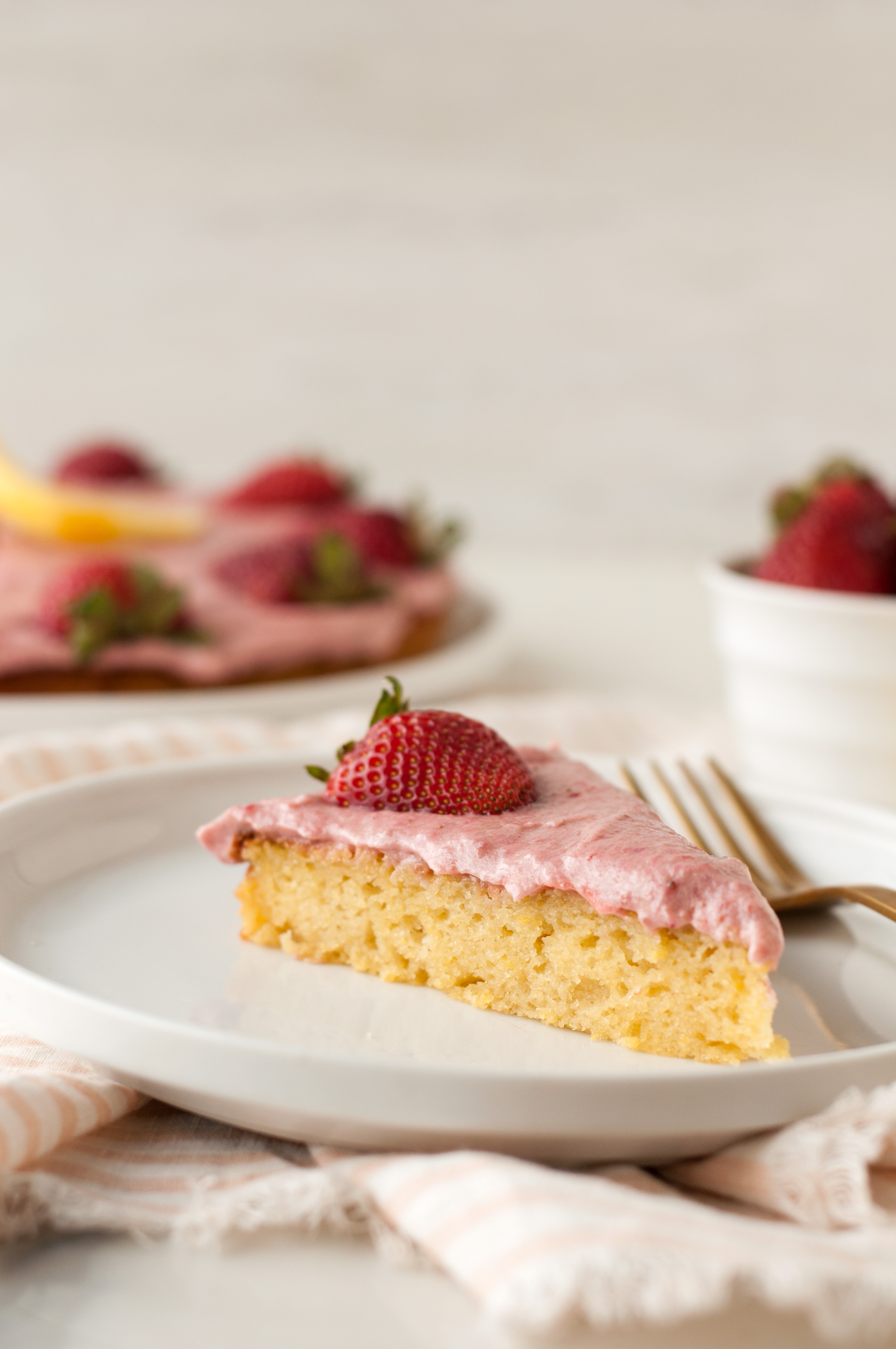
Lemon Sponge Cake with Strawberry Buttercream (Using Cassava Flour)

It’s become my tradition to share a cake recipe in celebration of my birthday. One year it was a Healthy Ice Cream Cake and another year it was a grain and gluten free Chocolate Cupcake with Peanut Butter and Banana Frosting. I have a special relationship to chocolate, peanut butter, and banana as a flavor combination – who doesn’t love those three things together?! In the spirit of my April birthday, spring, and to showcase my love for all things lemon (another favorite flavor of mine-see here and here), this year I decided to make a Lemon Sponge Cake with Strawberry Buttercream.

This year I also wanted to highlight a completely different ingredient that I haven’t baked with yet. I have heard so many great things about cassava flour (Otto’s brand in particular); it is easy to use and works great in baked goods. I knew I had to try it out for myself. Many of my clients go grain free even if it is for a short time during the healing process, so I am always looking for more recipes to share with them (and with you).

Showcasing grain free cassava flour- Lemon Sponge Cake with Buttercream Frosting @organicRD
Click To Tweet

The verdict: cassava flour really is amazing! It is grain free, gluten free and contains beneficial resistant starch. Resistant starch helps feed your good gut bacteria which helps produce short-chain fatty acids. Those fatty acids support the health and healing of cells in the small and large intestine.

Lots of grain-free desserts use almond flour which I love to use as well but not everyone can tolerate nuts. Nuts are higher in more inflammatory fats so you never want to overdo it when it comes to eating nuts. To support a healthy inflammatory response it is all about balance. I have also experimented with coconut flour in the past as another option for grain-free baking but never enjoyed the texture. Cassava flour is a great nutrient-dense solution while still being grain and gluten free.

When experimenting with this cake I discovered a couple of things that I wanted to mention. If you want a slightly fluffier cake, then I recommend separating the eggs and whipping the whites. Folding the whipped eggs whites into the batter before baking helps add more air and results in a lighter cake. If you are in a hurry or don’t feel like taking the extra time to perform this step, then you can simply add in the whole eggs. This cake will still work and be delicious, but it will be slightly denser.

If you don’t like strawberries or want to switch things up, then you could absolutely use whatever fruit you have on hand or enjoy. I bet this would be amazing with raspberries, blackberries, blueberries, or peaches. Inside the cake you could also use grapefruit, lime, or oranges instead of lemon. I can’t wait to make all kinds of combinations. When you make this be sure to share it and tag me over on my Instagram page – I want to know what combo you chose!

Lemon Sponge Cake with Strawberry Buttercream (Using Cassava Flour)

Celebrate spring with this Lemon Sponge Cake with Strawberry Buttercream, a grain-free, gluten-free cake made from cassava flour. Lots of combinations to try!

  • 3 each eggs, seperated
  • 1/2 cup organic cane sugar (or coconut sugar)
  • 1/2 cup Nutivia Organic Shortening (dairy free) (or one stick of butter, softened)
  • 2 Tbsp lemon zest
  • 1/2 cup fresh lemon juice ((about 2-3 large lemons))
  • 1/2 cup coconut milk
  • 1 cup Otto's Cassava Flour ((other brands won't result the same))
  • 1/2 tsp salt
  • 1/2 tsp baking soda
Buttercream Frosting
  • 1 cup fresh strawberries, stems removed
  • 1/4 cup Nutivia Organic Shortening (dairy free)
  • 1/4 cup coconut butter, softened ((note coconut butter and NOT oil))
  • 1 Tbsp raw honey or pure maple syrup
  1. For the cake, preheat oven to 350 degrees F.

  2. Seperate the egg yolks from the whites.  Reserving the yolks.

  3. Whip the egg whites using a whisk or hand blender until soft peaks form.

  4. In a seperate bowl, cream together the sugar and shortening (or butter).

  5. Mix in the lemon zest, juice, milk, and egg yolks.

  6. In another bowl, blend together the cassava flour, salt, and baking soda.

  7. Add the dry ingredients to the wet ingredients. Mix until incorporated.

  8. Gently fold in the whipped egg whites.

  9. Pour the batter into a 9 inch well greased cake pan. (I like silicone pans)

  10. Bake until the top is golden brown and a knife comes out clean.  About 25-35 minutes. (30 minutes was perfect for me)

  11. When the cake is done allow it to cool for 5-10 minutes and flip the cake out of the pan onto a cooling rack to allow it to cool completely.  (or the frosting will melt)

  12. Add all of the buttercream frosting ingredients to a food processor and blend until smooth.  Add in a couple teaspoons of extra coconut milk if you need help mixing everything together so that it comes out smooth.

  13. Once the cake is fully cooled.  Spread the frosting all over the top.

  14. Serve with extra berries as desired.

  15. Store in an airtight container for up to one week in the fridge. Note the frosting will firm up in the fridge but still delicious.

The post Lemon Sponge Cake with Strawberry Buttercream (Using Cassava Flour) appeared first on The Organic Dietitian.

Wednesday, April 4, 2018

10 Cauliflower Smoothies You Won’t Regret Trying!

Collage

We’ve gone crazy over these super healthy shakes/smoothies that all have
1 SECRET INGREDIENT in common, Cauliflower!

Here’s a collection of our favorite Cauliflower Smoothie Recipes that we know you won’t regret trying.

shutterstock_140609545smallCauliflower-Smoothie-3 1. Malted Chocolate Cauliflower Smoothie via Eating Bird Food

“A chocolate cauliflower smoothie made malty with maca powder! The frozen cauliflower makes the smoothie thick and creamy without any added sugar or fruit.” [Get this recipe]

smalluntitled-7808

2. Creamy Cauliflower Coconut Smoothie via The Glowing Fridge

“This Creamy Cauliflower Coconut Smoothie is the creamiest blend of whole food goodness… you’d have no idea it was veggie based!” [Get this recipe]

smallsweet-potato-smoothie-6

3. Skinny Fruitless Sweet Potato Pie Smoothie via Paleo Gluten-Free Eats

“…this smoothie is a good one and I have been known to eat it for breakfast, lunch, and dinner (all in the same day). So, if the same happens to you- don’t say I didn’t want you. I’m dead serious when I say this is my go-to, make every day, never gets old, love of my life, smoothie. I don’t even know what to say, it’s just my absolute FAVE. I hope ya love it too!” [Get this recipe]

small1490038634755

4. Classic Cauliflower Blueberry Smoothie via Lee From America

“This classic, lightly sweetened mostly-cauliflower smoothie is a great introductory smoothie for those wishing to try a vegetable-based smoothie. It’s smooth, thick, and creamy. Trust me, you won’t even miss the banana! This is one of my all-time favorite smoothies and a regular occurrence in my breakfast rotation.” [Get this recipe]

small11-salted-tahini-maca-smoothie-vegan-running-on-real-food

5. Salted Tahini Maca Smoothie w/Dates & Cauliflower via Running on Real Food

“This Salted Tahini Maca Smoothie is a little different but it’s really, really yummy and very filling and satisfying. Tahini is one of my favorite ingredients both for its flavor and nutritional benefits and maca is a wonderful adaptogenic superfood that pairs well with the other flavors in this healthy, nourishing smoothie.” [Get this recipe]

smallstrcaulsmoothie2-compressor

6. Vegan Strawberry-Cauliflower Smoothie via Katalyst Heath

“Sneak in an extra serving of vegetables with this Strawberry Cauliflower Smoothie! Both vegan and paleo, this smoothie is thick, creamy and bursting with berry flavor! You won’t even know the cauliflower is there – I promise!” [Get this recipe]

small4-low-sugar-blueberry-coconut-smoothie-bowl-cauliflower-zucchini-vegan

7. Blueberry Coconut Smoothie with Cauliflower via Running on Real Food

“If you’re not adding vegetables to your smoothies, you’re missing out! We’re talking ingredients beyond spinach and kale, too. Think zucchini, sweet potato, cauliflower, and beets. Adding vegetables to smoothies is a great way to sneak more veggies into your diet and take full advantage of the wide range of health benefits they offer. This healthy, low-sugar blueberry coconut smoothie bowl tastes like blueberry ice cream but won’t spike your blood sugar and will help keep you full and energize you for hours.” [Get this recipe]

smallPBJB-Protein-Shakes_-10

8. PB & J (&B) Shakes / Banana-Free via Flora and Vino

“These PB & J (&B) Shakes require only 5 minutes and 6 ingredients to start your day with a healthy dose of PB&J, protein, and veg.” [Get the recipe]

smallchocolate-gingerbread-smoothie4

9. Chocolate Gingerbread Protein Smoothie via Hummusapien

“This Chocolate Gingerbread Protein Smoothie is creamy, decadent, and packed with plant-powered protein, fiber, iron, calcium, and a secret ingredient…cauliflower! Enjoy this delicious shake for breakfast or as an afternoon snack.” [Get this recipe]

smallDSC03785

10. Turmeric & Chai Spiced Cauliflower Smoothie via Feast of Green

“In this smoothie, chai spices and a bit of banana are the primary flavors, but there is definitely a hint of bitterness from the cauliflower. I was very skeptical while testing the recipe, but I found myself returning for sips with growing enthusiasm. I would definitely make it again and will be experimenting with more cauliflower smoothies in the future…”[Get this Recipe]

Check out more delicious Cauliflower Smoothie Recipes on this Pinterest Board!