Friday, March 1, 2019

25 Gardening Tips Every Gardener SHOULD KNOW!

1. If it’s getting cold and you have tomatoes still ripening on the vine — save your tomatoes! Pull the plants up and bring them inside to a warm dry place. Hang them up, and the tomatoes will ripen on the vine.

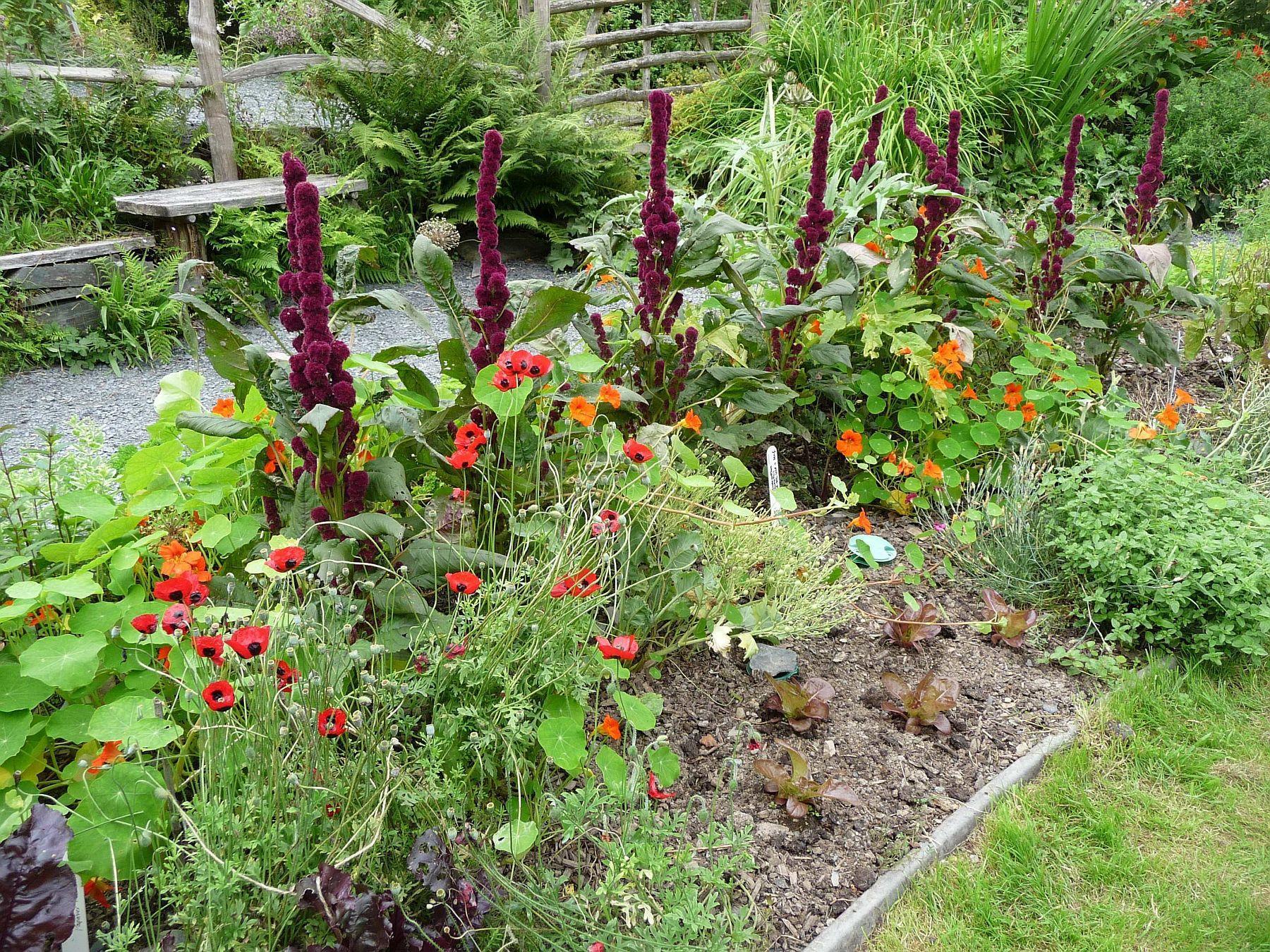
2. Companion planting is an excellent way to improve your garden. Some plants replenish nutrients lost by another one, and some combinations effectively keep pests away.

3. Paint the handles of your gardens tools a bright, color other than green to help you find them amongst your plants. You can also keep a mailbox in your garden for easy tool storage.

4. Compost needs time to integrate and stabilize in the soil. Apply two to three weeks prior to planting.

5. There is an easy way to mix compost into your soil without a lot of back-breaking work: Spread the compost over your garden in the late fall, after all the harvesting is done. Cover with a winter mulch such as hay or chopped leaves and let nature take its course. By spring, the melting snow and soil organisms will have worked the compost in for you.

READ THE OTHER 20 TIPS HERE: https://www.planetnatural.com/vegetable-gardening-guru/tips/

Growth In Gardening: Companion Gardening

I am jumping on the companion gardening bandwagon with both feet this year. I have experimented with companion planting in small ways in my gardens over the last several seasons and I am 100 percent convinced that the system is the way to go.

The basic idea behind companion planting is as simple as it is sensible: many plants grow better near some comrades than they do near other plants or when alone. By itself companion planting your garden will not work miracles but applied in a well-maintained garden, it can produce startling results. It sure has for me. It can drastically improve the use of space, reduce the number of weeds and garden pests, and provide protection from both heat and wind, two problems I run into every year. So, as far as I am concerned, in my vegetable garden, this all adds up to getting me what I really want: increased yield.

I will be employing companion planting in my vegetable gardens, but it can also be used when flower gardening and in full-scale farm fields. In fact, some of the most familiar examples come from farming, where it’s a long-standing practice to sow vetch or some other legume in the fall after the harvest. This cover crop provides erosion control through storms and supplies both nitrogen and organic material to the soil when it is plowed under in spring. Most such crops themselves need a helper, known as a nurse crop, usually, a grain that is sown along with the legume. The grain provides weed control while the legume gets established, and helps protect the legume from both wind and the weight of snow.

READ THE FULL ARTICLE: https://www.sanmarcosrecord.com/features/growth-gardening-companion-gardening

Pet-Friendly Indoor Gardening

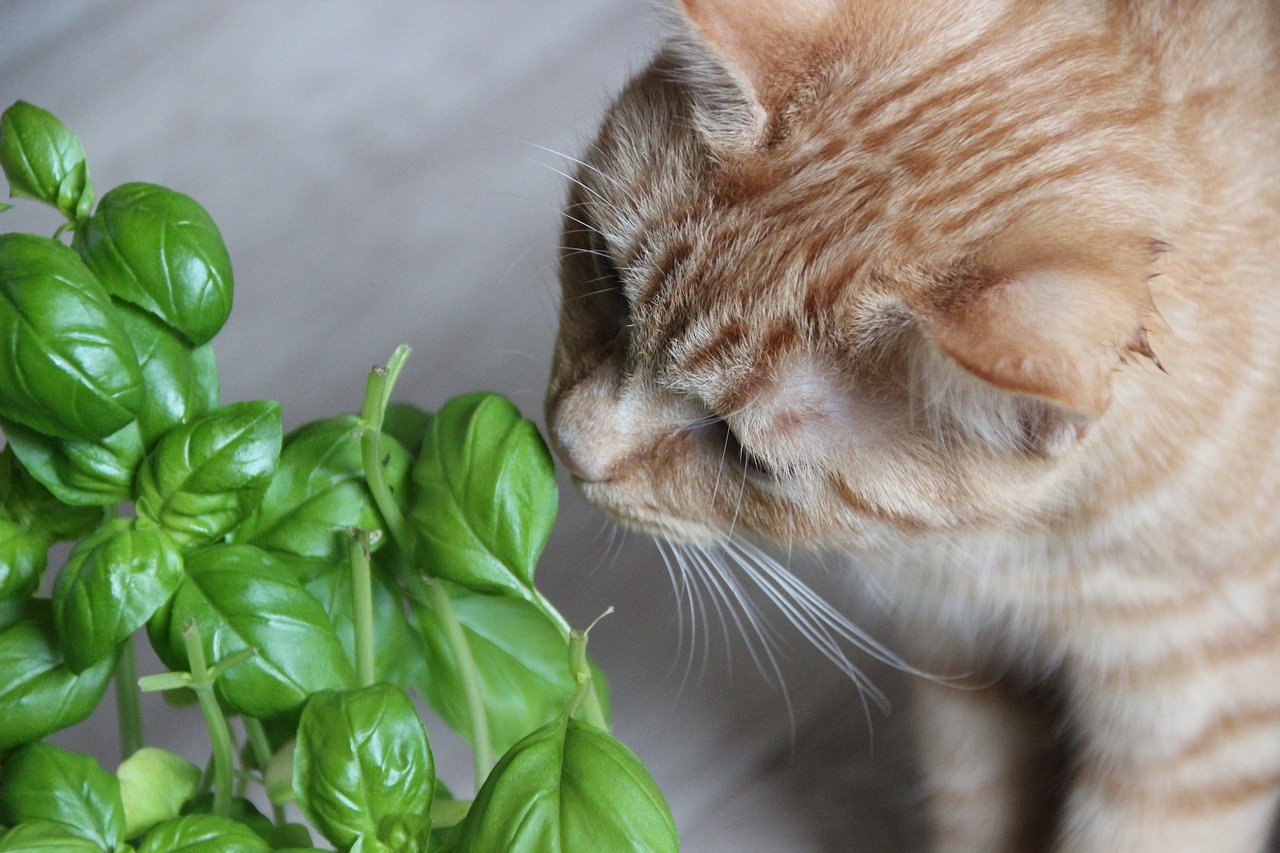
Houseplants make a wonderful addition to our home’s décor and improve the indoor air quality.  Those with pets, however, may struggle with keeping plants safe from curious pets and the pets safe from indoor greenery.

The good news is you can grow an indoor garden even when you own pets. Yes, some do love to dig in the soil or even eat our favorite houseplants, but with proper plant selection and planning, you can keep your pets safe while enjoying an indoor garden.

Start by selecting plants that are safe for your pets.  Consult the American Society for the Prevention of Cruelty to Animals website for a list of pet-safe plants to grow and toxic plants you should avoid.  This will reduce your anxiety by helping you create an indoor green space safe for your pets.

READ THE FULL ARTICLE: https://www.tapinto.net/towns/belmar-slash-lake-como/articles/pet-friendly-indoor-gardening-477c2881-e5be-4de5-bace-0397f405593c

Urban wasteland into flourishing vegetable garden

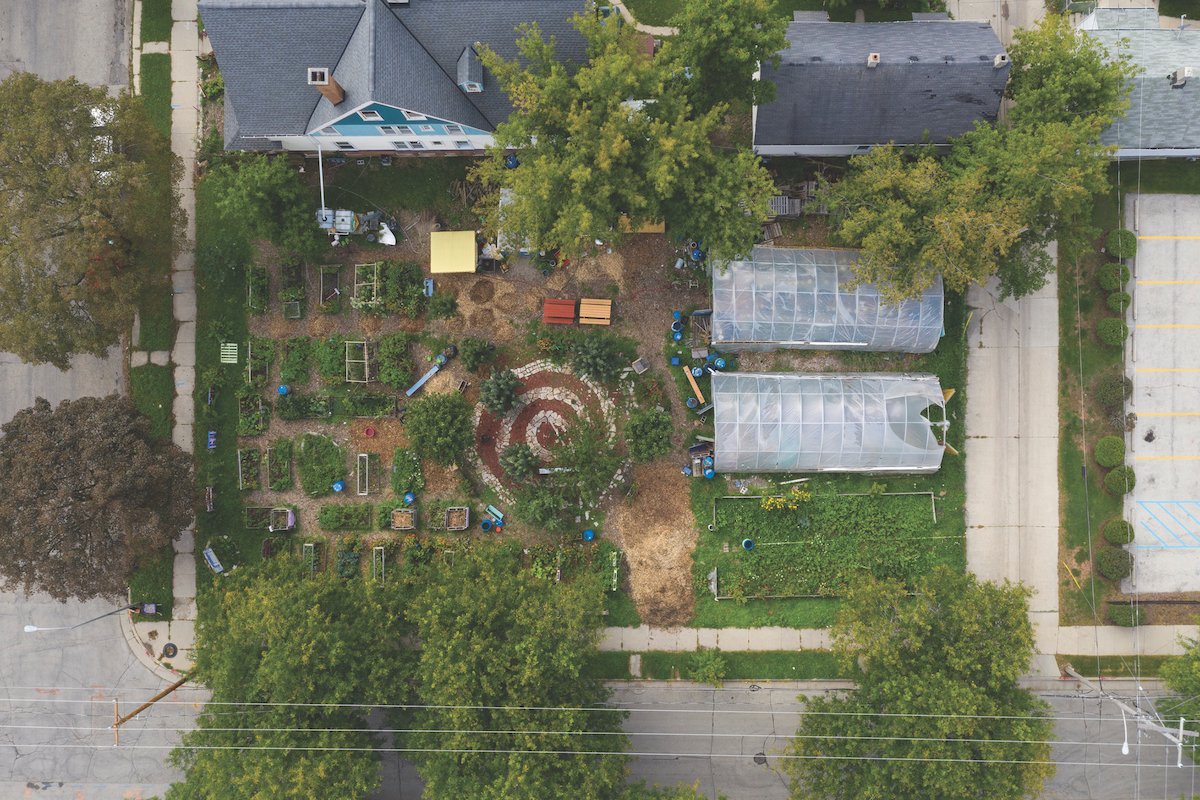
COIMBATORE: A piece of open space reserved (OSR) land near a busy residential area at Thudiyalur, which was overgrown with thorny bushes and stinking of garbage, is now producing organic vegetables, thanks to a city-based NGO.
Local residents, who used to avoid the place at any cost, now find a stroll through the vegetable garden refreshing.

NGO Helping Hearts had signed a memorandum of understanding with the city corporation to convert the 50-cent land at VKL Nagar into a vegetable garden one-and-a-half-year ago.

READ THE FULL STORY:  https://ift.tt/2C18O2o

Grow Up to 90 Fruits and Vegetables in Your House With This Auto-Watering Indoor Garden

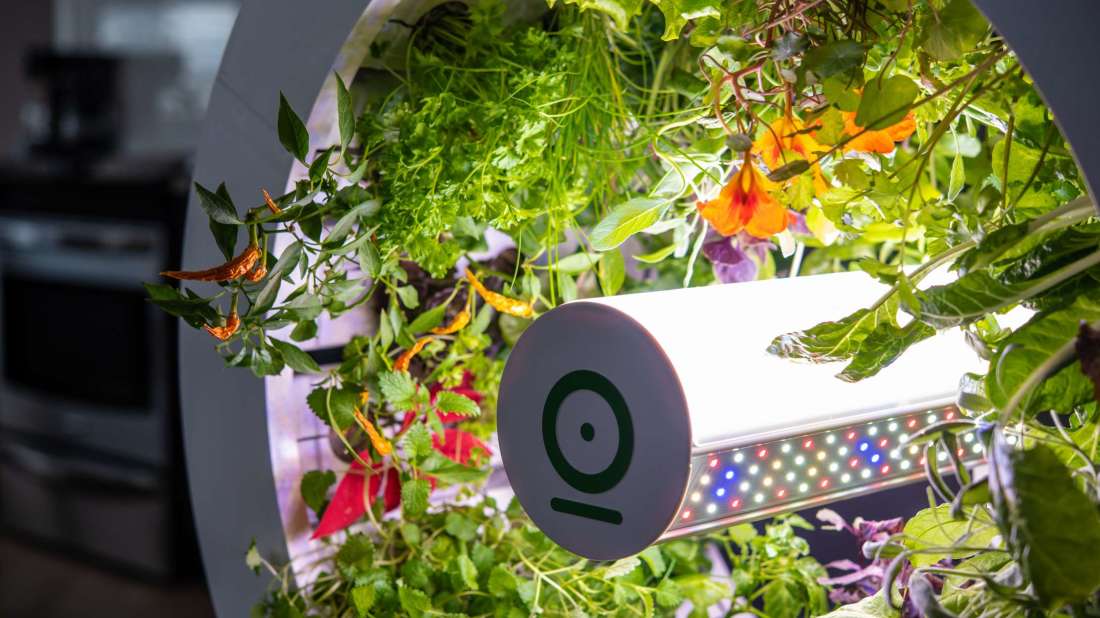
If you’ve always wanted to start your own herb or vegetable garden but don’t have the yard space or the “green thumb” to pull it off, there’s now another option. The OGarden Smart is an indoor gardening system that grows up to 90 plants at one time—20 of which are edible.

Strawberries, celery, kale, bok choy, green beans, cayenne pepper, green onion, and cherry tomatoes are just a few of the fruits and veggies the OGarden can grow. Up to 30 growing cups can be placed in a lower cabinet, where the seeds are allowed to germinate. Once they sprout, the plants can then be transferred to the rotating wheel up above, which holds up to 60 plants at a time. It takes about 30 to 40 days to harvest the produce, depending on the type of plant grown.

The system is self-watering and uses automatic LED lights to provide the right amount of sunlight, no matter what season it is. The only work that’s required is planting the seeds and refilling the water tank once a week.

LEARN MORE: http://mentalfloss.com/article/574691/grow-90-fruits-and-vegetables-your-house-auto-watering-indoor-garden

Monday, February 25, 2019

‘Growing Place’ Sheds Light on History of Growing Food in Milwaukee

Milwaukee’s past is often seen through the lens of industry and big factories, but “Growing Place: A Visual Study of Urban Farming,” now at MSOE’s Grohmann Museum, shows there were more ways to grow a city. Milwaukee was a frontrunner in gardening dating back to the late 1800s, laying the groundwork for the urban farm visionaries of today.

Guest curators Michael Carriere, assistant professor at MSOE’s Humanities, Social Science and Communications Department, and David Schalliol, assistant professor of sociology and anthropology at St. Olaf College, gathered a collection of photographs, documents, signs, posters and farm tools to tell Milwaukee’s agricultural story. Items were acquired from UW-Milwaukee, Milwaukee Public Library, the Milwaukee County Historical Society and individuals.

“Growing Place” was born out of a broader project Carriere had been involved with, which studied placemaking (a multi-faceted approach to the planning, design, and management of public spaces) following the Great Recession, and how cities try to bounce back from severe financial crisis.

READ THE FULL STORY: https://shepherdexpress.com/food/eat-drink/growing-place-sheds-light-on-history-of-growing-food-in-milw/

Urban Roots celebrating 50th anniversary

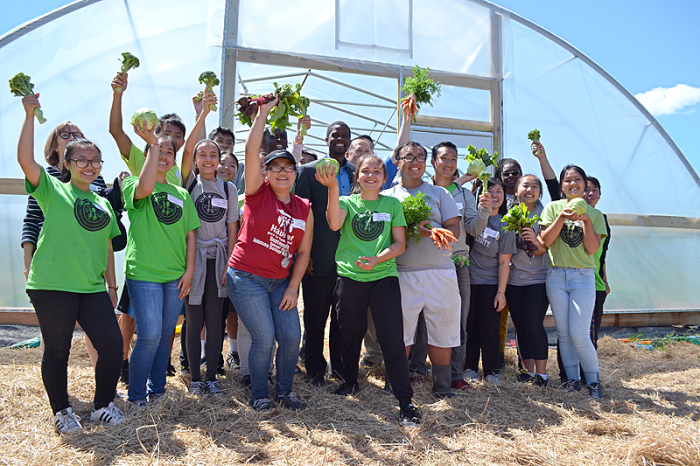
East Side youth nonprofit Urban Roots will spend 2019 celebrating its 50th anniversary.

The urban agriculture organization will kick off celebrations with an event at Summit Brewing Company, 910 Montreal Circle in St. Paul, on Wednesday, March 6, from 5:30 to 8 p.m.

The organization has grown substantially over the past half-century, starting with one small garden and expanding to include not only gardening but conservation and wellness to its programming.

Today, Urban Roots has three main programs for high school students: the Market Garden program, where students grow and sell produce; conservation, which involves students working on a number of natural resources projects on the East Side; and Cook Fresh, a healthy eating and wellness program.

With each program, not only are students getting job experience, they’re also learning leadership skills, self-development and about possible future careers, said Patsy Noble, executive director of the organization.

READ MORE: http://www.lillienews.com/articles/2019/02/25/urban-roots-celebrating-50th-anniversary