Thursday, January 31, 2019

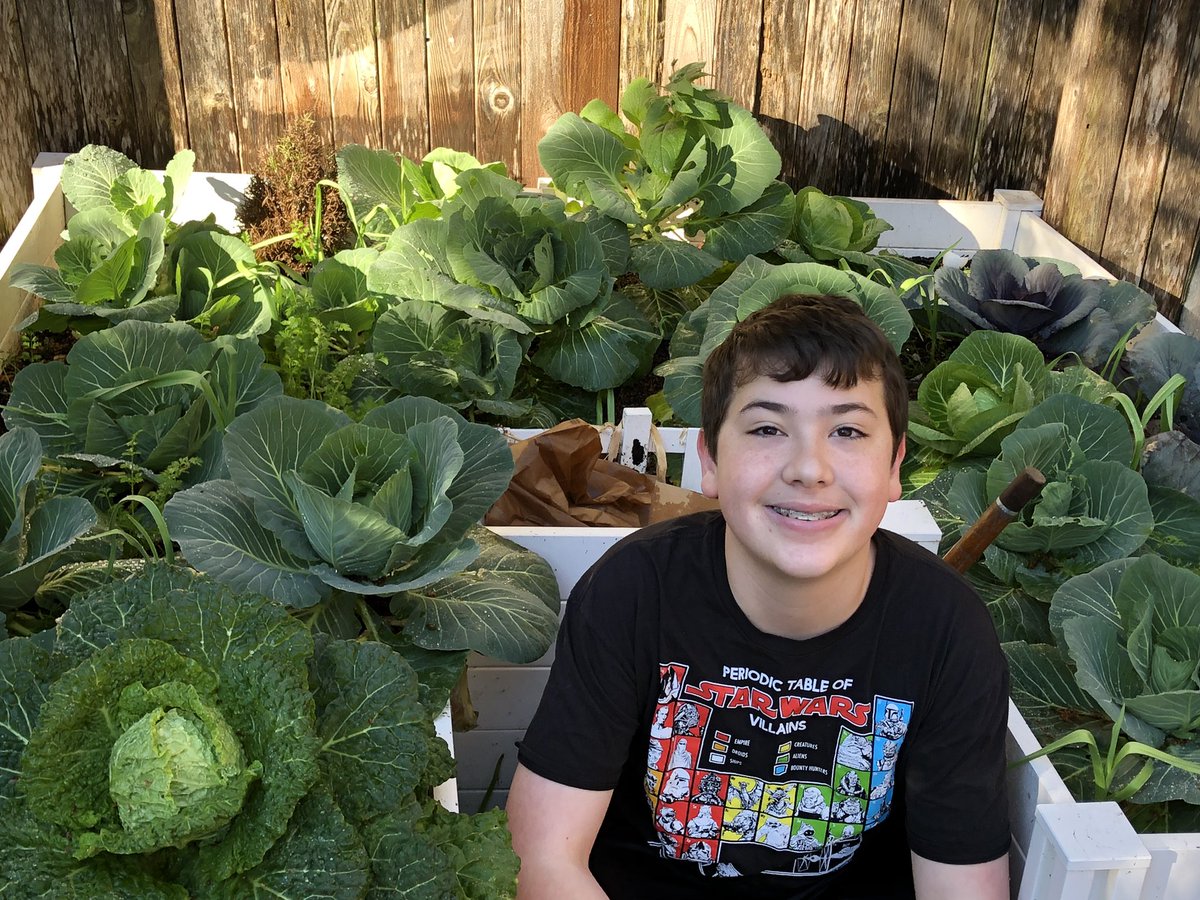
14 Year Old Donates EVERYTHING He Grows To Families In Need

Help Ian WIN a $10,000 grant for Katie’s Krops!
(SCROLL TO THE BOTTOM OF THIS POST)

“The Giving Garden was created when Ian learned there were children at his school going to bed hungry. Wanting to make a difference for his classmates, Ian decided to take action. He raised funds and solicited volunteers to construct a raised bed garden and small fruit orchard at his elementary school to provide free access to fresh produce for anyone in need in his community. Ian began to realize that many students didn’t have the knowledge to prepare the produce they were receiving from the gardens. He began offering cooking demonstrations and provided sample recipes to help teach the students that healthy food can taste good. He didn’t stop there. Ian has continued to install gardens in local schools and communities in the Austin area. In the spring of 2016, his sister, Addison, joined the fight against hunger by developing the Frutas Frescas Orchard Program. The siblings have partnered with each other to help fight hunger in their community. In 2016, Ian became part of the Katie’s Krops garden program. He was able to build a garden in his own backyard and donates 100% of the produce to local hunger relief organizations or to families in need. In 2016, Ian grew and donate 869 lbs of organic produce. He reached his goal of growing and donating 1,000 lbs of organic produce in his backyard Katie’s Krops garden in 2017 and will exceed his donation totals in 2018.”

LEARN MORE ABOUT IAN AND HIS GARDENS: https://iansgivinggarden.weebly.com/about-us.html

Help Ian WIN a $10,000 grant for Katie’s Krops!
  1. CLICK – Ian McKenna’s name at the “Vote Say Thanks, Austin” link 
  2. TEXT – MCKENNA to (512) 456-9244
  3. MESSAGE – MCKENNA to our Facebook fan page at facebook.com/recognizegood
  4. TWEET – MCKENNA to @RecognizeGood with the hashtag #saythanksaustin
  5. EMAIL – MCKENNA (in the subject line) to saythanks@recognizegood.org
  6. WRITE IN – your name, then sign and date where indicated on Say Thanks forms (also downloadable) – I can pick up write in votes locally or if you’re out of town, you can scan or take a picture and email them to saythanks@recognizegood.org with MCKENNA in the subject line. 

Tuesday, January 29, 2019

Why Raleigh needs a stronger commitment to urban agriculture

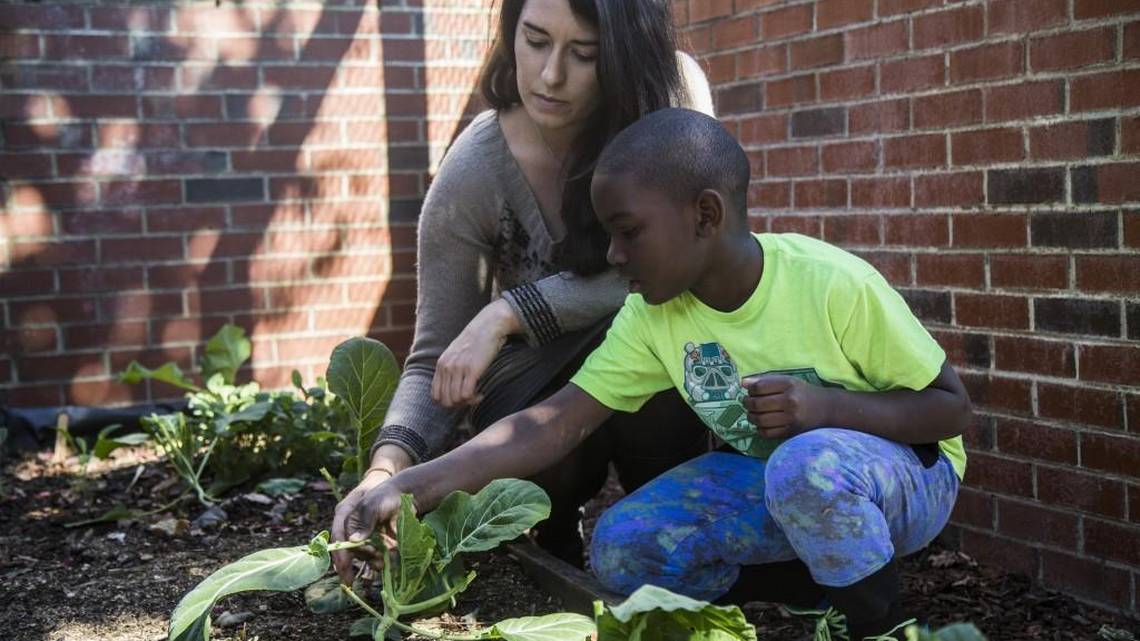
The City of Raleigh supports urban agriculture rhetorically in its Strategic Plan. The city has made ad hoc interventions, like providing resources for rain harvesting at Raleigh City Farm and the Inter-Faith Food Shuttle farm.

Yet this leaves Raleigh behind other cities, like Atlanta, that implement systematic programs supporting the wide array of urban agriculture. Without a comprehensive plan, programs like land for community gardens, setting up organic matter drop-offs for composting, hiring master gardeners to provide expert knowledge, and more do not have the municipal support they need.

This is the case, even though the city’s Environmental Advisory Board has unanimously adopted an Urban Agriculture Program recommendation. That recommendation includes important steps, such as surveying vacant and public land, building a farm incubator system, and hiring a full-time city employee to administer urban agriculture programs. Implementing the recommendations will bring stability and growth to urban agriculture, which will entail beneficial impacts on communities, such as food security, food literacy, biodiversity, and income.

READ MORE HERE: https://www.newsobserver.com/opinion/article220040400.html

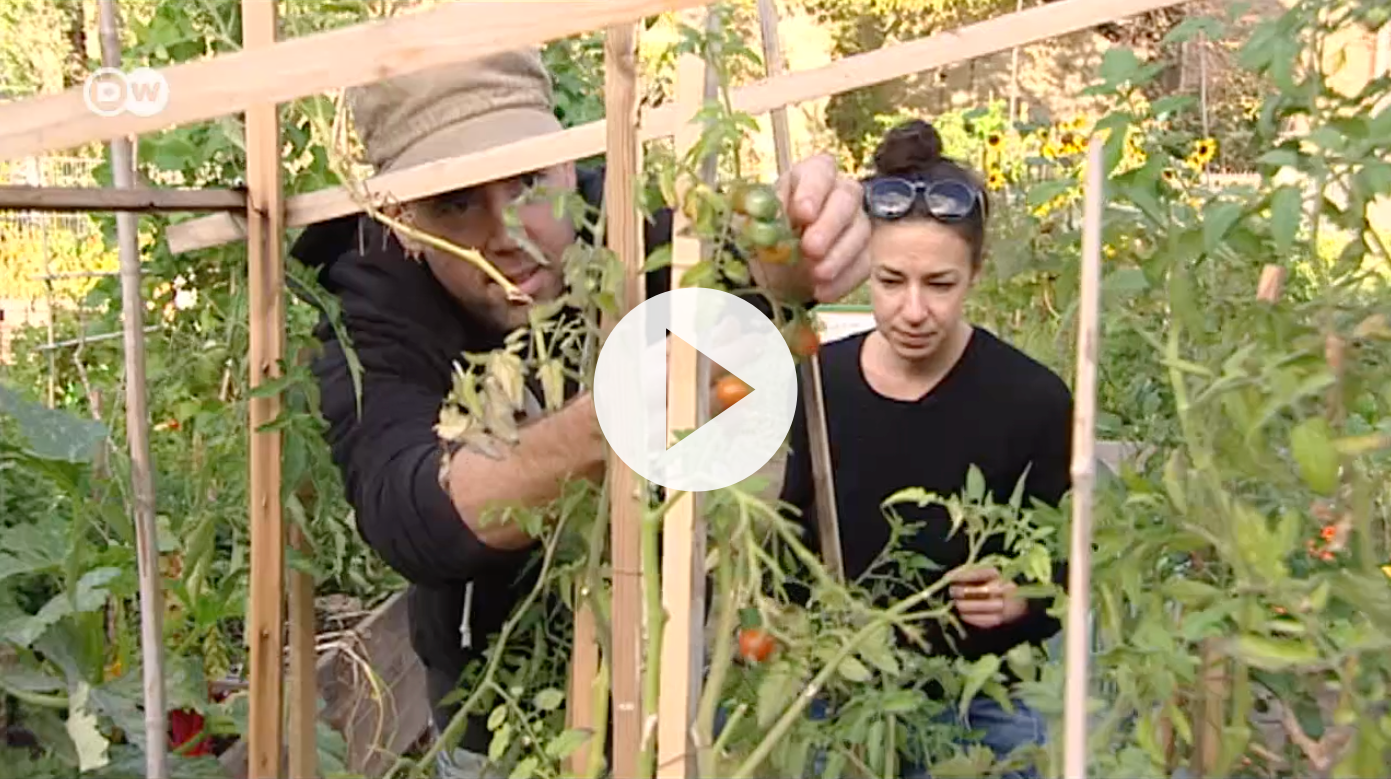
The city needs more gardens — urban gardening in Berlin [VIDEO]

What was once a gloomy parking lot is now a green oasis in the middle of the German capital, Berlin. The “Prinzessinnengarten” (princesses’ garden) has become one of the best-known urban gardening projects in Europe. Neighborhood city gardening is on trend and in the last few years, pretty plots have been sprouting like mushrooms from the earth.

WATCH THE VIDEO/STORY: https://www.dw.com/en/the-city-needs-more-gardens-urban-gardening-in-berlin/av-46264250

DIY Fungi – Interview: William Padilla-Brown

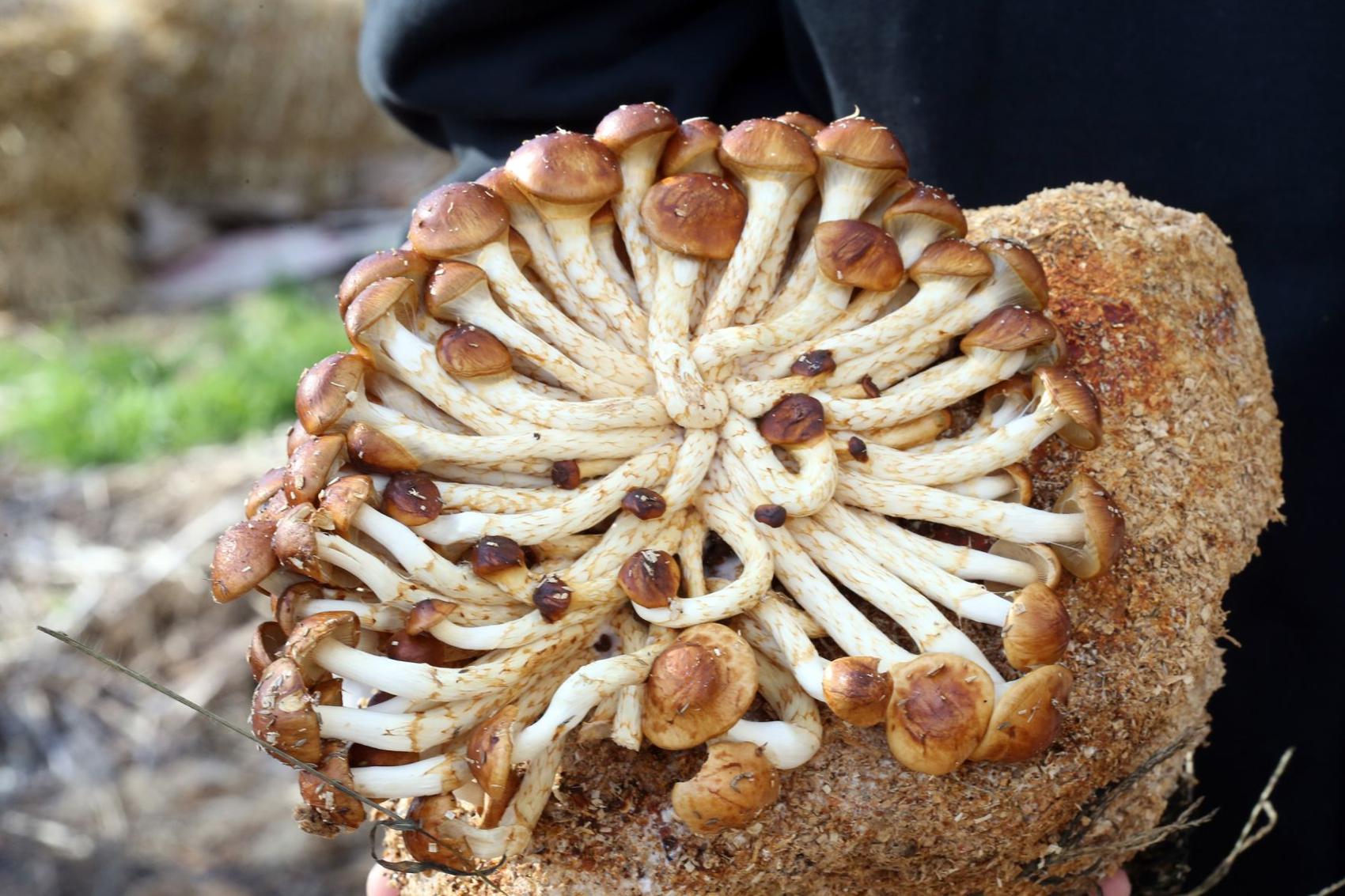
Not long into our conversation at his lab based in Lemoyne, I decide that William Padilla-Brown, of Elizabethtown, is one of the most fascinating people I’ve ever met. At 24, Padilla-Brown is the founder of his own mushroom cultivation company, MycoSymbiotics. He’s traveled the world, attending schools here in central Pennsylvania, in Taipei, London and elsewhere. He dropped out, got a GED and a permaculture certification. He designed his own model for a DIY college-level curriculum. He learned all he could about growing mushrooms from experts and online videos and started his own business, which he has slowly grown in the past few years. He wrote “Cordyceps Cultivation Handbook Vol. 1” — one of the first books written in English detailing the process of growing cordyceps, a type of fungus used in traditional Chinese medicine. He organizes mushroom festivals and foraging expeditions. He lectures about sustainable, low-tech, DIY gardening and growing methods with the aim of making it so anyone, anywhere can grow their own food.

READ THE STORY: https://lancasteronline.com/sunday/interview-william-padilla-brown-on-diy-fungi/article_b1bc0f70-1fee-11e9-b44b-db2654101d38.html

Urban farmers seek stability

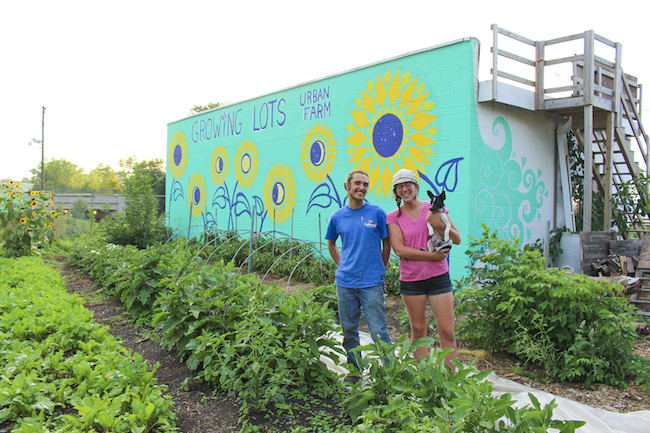
Growing Lots is a working farm tucked into an increasingly dense urban landscape.

It used to occupy three sites in South Minneapolis where co-owners by Taya Schulte and Seamus Fitzgerald grew vegetables, operated a community-supported agriculture program, or CSA, and sold produce to local chefs. In 2018 those three sites were reduced to two.

Growing Lots lost access to the third site after their Longfellow landlords decided to sell. Schulte and Fitzgerald had been leasing the property for a few years, but for the landowners, the process of renting out to urban farmers with a labor-intensive business and slim profit margins got too complicated. Add that to neighborhood development pressure and the outcome became almost inevitable.

Fitzgerald certainly wasn’t surprised.

READ THE FULL ARTICLE: http://www.southwestjournal.com/news/green-digest/2019/01/urban-farmers-seek-stability/

Monday, January 28, 2019

Now, Rent a Farm and Harvest Your own Veggies. Real-Life Farmville is Here

Most people living in apartments are deprived of the luxury of owning a terrace or garden farm, where they can grow vegetables. Yet, many living in big cities dream of spending their time on a farm after retirement and eat the produce of their own farm. Now, to live that dream you won’t have to leave behind your city life nor live at a farm. Bangalore-based Farmizen — a farming Airbnb of sorts — is connecting urbanites to farmers who help you rent a mini-farm and grow your organic veggies.

What’s more, you get to see the harvest not only through pictures and videos but you can also visit your farm over the weekend. It was the question: whether the organic veggies we buy from the market are truly organic or not that got co-founders — Shameek Chakravarty, Gitanjali Rajamani and Sudaakeran Balasubramanian — thinking. In 2017, they founded Farmizen, an app-based service to rent a mini-farm and grow chemical-free vegetables. This concept not only helps the urban buyers but also provides regular income to farmers. After Bangalore, the startup has now expanded to Hyderabad and Surat. In the next phase of growth, it plans to enter Chennai, Pune, and Mumbai. The third phase of growth would take it to Delhi and other cities.

READ THE ARTICLE: https://www.entrepreneur.com/article/326404

Monday, January 21, 2019

What is a Normal Period? Better Understanding Your Cycle

Our periods can tell us a lot about our health, so as women, it is important to know what a normal period is like.  In fact some people consider them a vital sign and I completely agree with that idea.  If your cycles are abnormal, then you could be experiencing symptoms that indicate imbalanced hormones, or something else going on in your body.  I find that lots of women don’t know what their periods should be like.  We tend to accept intense period cramps and moodiness as”normal.”  But that couldn’t be further from the truth.  It isn’t our fault that we don’t know what to expect from our periods; this is often not something that we are taught.  Today I am going to teach you this important lesson and answer the question: what is a normal period?

Length of Your Cycle

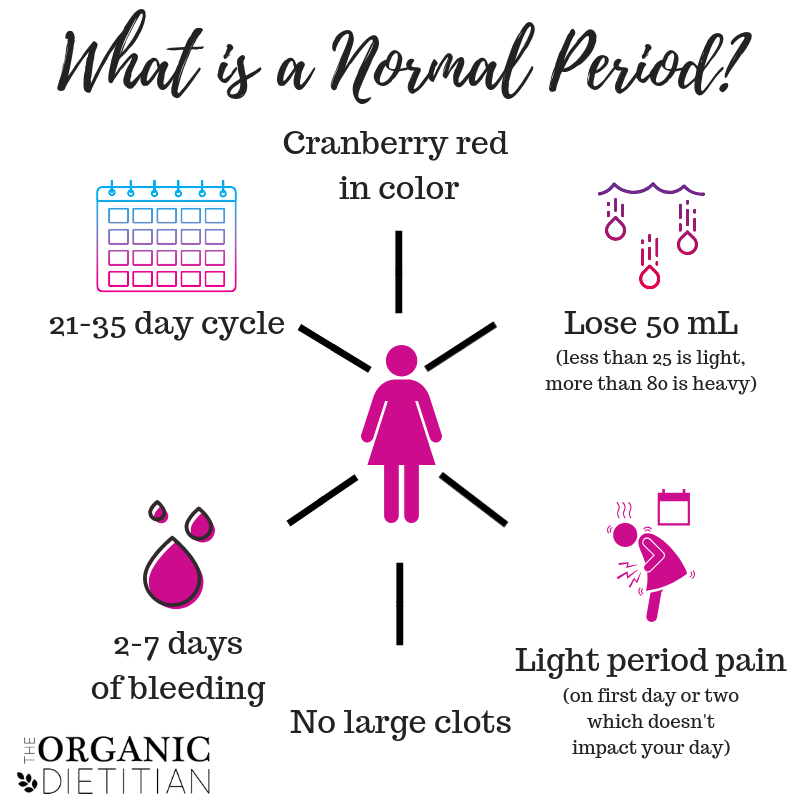
Day 1 of your cycle is the first day that you see blood, and the last day of your cycle is the day before your next period starts.  This count equals the length of your cycle.  A normal cycle should last between 21-35 days (28 days being average).  Ideally your cycle length would be fairly consistent (within a few days) versus skipping around a lot cycle to cycle.  If one month your cycle is 21 days and the next month it is 35 days, then it might be worth doing some investigating to find out why the large variation (especially if it stays consistently irregular).

If your cycle is longer than 35 days it may be due to stress, illness, polycystic ovarian syndrome (PCOS), undereating, thyroid issues, or moving into menopause.

I do want to note that a teenager that just started her period may have a longer cycle in the beginning lasting up to 45 days but this should improve with time.  If it doesn’t then it could be a symptom.

How Long Should it Last

Your period bleeding should last 2-7 days.  The flow is often its strongest for 3-5 days and you may experience a couple of light days as your period finishes up.  If you see brown (almost dried up looking) blood initially this is often blood that was “leftover” from your previous cycle and could indicate low progesterone.  The first day that you see fresh blood is day 1 of your cycle. Any spotting that happens before or after your cycle usually still counts as bleeding days.

Periods lasting longer than 7 days could be a sign of PCOS or be due to perimenopause.  Spotting in between cycles is often a sign of low progesterone.

Blood Clots

If your periods are heavy, then your anticoagulants may not have enough time to keep up with your blood flow, which can cause large blood clots.  The most problematic clots are ones that are larger than a dime and happen frequently.  If you have the occasional small clot it may be normal.

Period Pain

Pain and cramping are symptoms that are by far accepted as being “normal”, but that isn’t necessarily the case.  A little cramping can be normal.  Light cramps or pain that last 1-2 days, but don’t knock you out for the day is ok.  It is the super painful cramps that are throbbing and last for days that can be a symptom of something out of whack.  It might be so bad that you are doubled over in pain or need to take the day off work to stay in bed.

This type of pain can be caused by imbalanced hormones or, in worse cases, things like endometriosis.

Heavy Periods

From a medical perspective, you normally want to lose about 50 mL of fluid during your period.  That usually equals about three tablespoons of fluid over the length of your period.  One regular pad or tampon holds about one teaspoon of fluid and you shouldn’t need to change that pad or tampon more than once every two hours.

If your period is super light, then it could be a sign that you didn’t ovulate.  A heavy period can be caused by many different things like copper IUD, no ovulation, endometriosis, perimenopause, thyroid issues, or estrogen dominance.

Color

When your period starts, it should be a nice bright red color, similar to cranberry juice.  If it gets dark and almost purple in color then it could be a sign of estrogen dominance.  If it gets light pink then it could be a sign of low estrogen.  If your blood is brown, that is old blood that has been oxidized and it didn’t make it out of your uterus during the last cycle, which can be a sign of low progesterone.

Your period is something that should be paid attention to every month because it can tell you a lot and give you clues about your health. Don’t feel bad if you have abnormal periods because this is something that most doctors don’t even know and this topic isn’t talked about with enough.  Use the clues your body is giving you as helpful hints to investigate and dig deeper to find the root cause and get things back on track.  One thing I don’t recommend to “fix” an irregular period is birth control.

Hormones are a complicated system with many moving parts so one of the best things you can do is to work closely with a practitioner that will do proper functional testing like DUTCH from Precision Analytical and help you get to the root cause.

ARE YOU READY TO GET TESTED AND TURN YOUR HEALTH AROUND?  CLICK THE BUTTON BELOW TO REQUEST A FREE 30 MINUTE DISCOVERY CALL…

Schedule Your FREE 30 Minute Discovery Call

As a Holistic Dietitian and Functional Diagnostic Nutrition Practitioner, I help clients get proper testing, assist in the process of reading those results using clinical correlation (treating the patient and not just the test results), and give them the proper tools (diet, supplements, and lifestyle) to start the healing process.

The post What is a Normal Period? Better Understanding Your Cycle appeared first on The Organic Dietitian.