Friday, September 28, 2018

How urban farms in New York schools are raising food to fight inequality

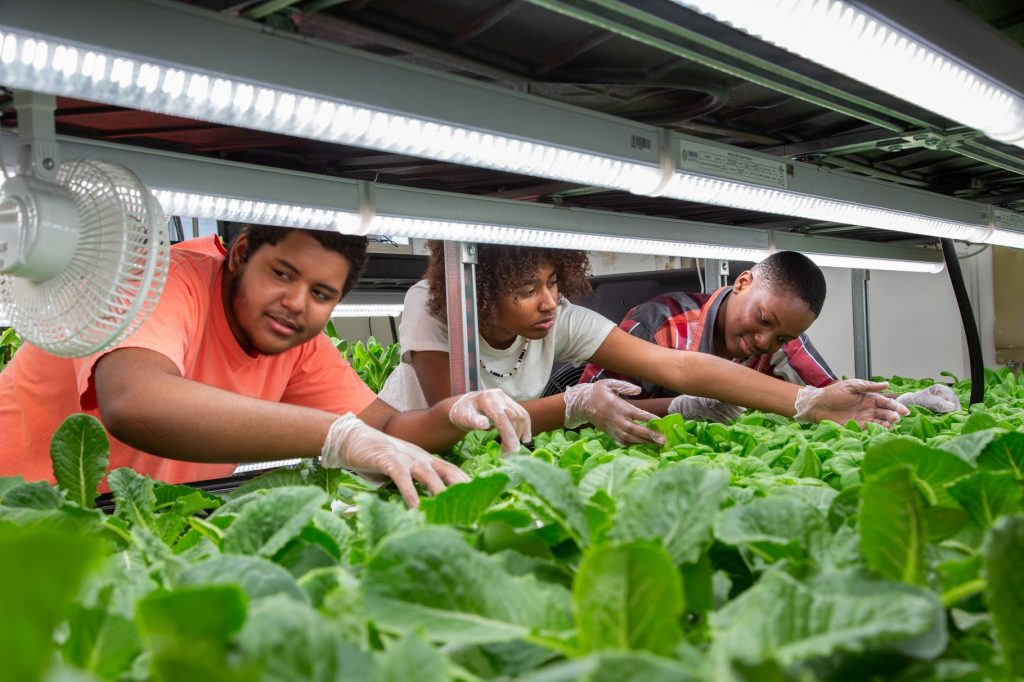
“It’s the type of experience expected at a top-rated restaurant: Diners gaze at produce growing in a hydroponic garden next to the kitchen. Behind plexiglass, herbs are carefully plucked in anticipation of being added to every plate.

This high-tech take on farm-to-table, however, is being built for the cafeteria of a New York City public school in Manhattan.

As part of a nonprofit program called Teens for Food Justice, a handful of schools in Brooklyn, the Bronx, and Manhattan have turned spare classrooms, unused science labs, and, in one case, an empty closet into urban hydroponic farms, an experiment in self-sufficiency, science education, and food equity.

It’s not unheard of to find produce grown within the five boroughs: supermarket chains like Whole Foods and companies such as Gotham Greens have helped pioneer and popularize large-scale commercial farming in New York City.”

READ THE FULL STORY AT: “Curbed.com“

Wednesday, September 26, 2018

How to Use Castor Oil Packs for Liver Support

Have you ever tried a castor oil pack?  I asked this question a few months ago on my Instagram page and got a lot of questions.  Most people had never heard of castor oil packs and expressed interest in learning more about how to use them for liver support. In this post, I am sharing why castor oil packs are so beneficial for the liver (can be used for other things, too!) and how to get started using them.

I recommend castor oil packs all the time to my clients. They can be really beneficial for a few things, but the most common reason I suggest them is for gentle liver detox. An overworked liver due to excessive toxins is not a good scenario for healthy hormones or digestion.  And since your hormones and gut are so connected, you can’t work on one without addressing the other.

You are always detoxing – not just when you do cleanses (which I am not a fan of, by the way). The best way to support detoxification is to avoid as many toxins as possible in the first place, eat a nutrient-dense diet including complete protein so the liver has what it needs to work well, and support the liver any way you can.

How can you avoid toxins? 

Clean up your beauty products. When you use chemical-filled products, toxins get absorbed through your skin and your liver has to work hard to eliminate them from your body.  Think shampoo, lotion, toothpaste, makeup, deodorant, and soap.  You could unknowingly be exposing your liver to hundreds of unnecessary chemicals every single day.

Next: eat real food.  This is one reason why I always recommend reading the ingredient list on your food labels vs. nutrition facts.  Ingredients you can’t pronounce or that don’t sound like food are often made in a lab by chemists.  These are essentially toxins that are added to food and create an extra burden on your liver.

How the castor oil pack works

Warm castor oil packs can be placed on many different areas of the body for healing.

Castor oil has a drawing power that clears the body of excess tissues and toxins.  The packs help by stimulating the lymphatic and circulatory system.  Lymphatic congestion is a major factor leading to inflammation and disease.

The lymphatic system removes toxins and waste from the area stimulated by the castor oil pack.  Lymphatic tissue also produces and stores lymphocytes which are your immune system’s disease-fighting cells.  When castor oil gets absorbed into your skin it can also improve you lymphocyte count which in turn can speed up the removal of toxins from your tissues.

Castor oil packs can also increase circulation, which brings in fresh oxygenated, nutrient-rich blood to the area (in this case the liver).

How to do a castor oil pack

Supplies you will need:

You can do a castor oil pack initially every day for about 20 minutes for at least one month and then cut back to 3-4 times per week. I recently started adding Zendocrine detoxification blend from DoTerra, which is optional, for even more detox support.  I just dab a couple drops of the oil over my liver.  Then apply the pack directly to my liver (right side of your body under the rib cage).  I recommend NOT doing packs when you are on your period but the rest of the month is fair game.

Directions:

  1. Fold the fabric so that it is large enough to cover your liver, about 1 foot by 1 foot.  Saturate the fabric with castor oil.  You don’t need it to be dripping with the oil but the fabric should be moist.
  2. Apply the moist pack to your liver (right side of your body under your rib cage).  Note: the oil can stain so I don’t wear a bra and be sure any clothes I am wearing is away from the pack.  Consider wearing something you don’t mind getting stained and lay on a towel to keep your furniture clean.
  3. Take a piece of wax paper or towel you don’t mind getting stained and cover the castor oil pack with it.  Please don’t use plastic wrap.
  4. Cover that with an electric heating pad or hot water bottle and relax for the 20 minute process.
  5. When done I use a towel to remove excess castor oil from my skin or you could also jump in the shower.
  6. The pack can be kept and reused over and over for at least 3 months before you want to purchase a new fabric.  I keep mine in a glass container with a lid.  If it starts to dry out you can add more castor oil to it to re-hydrate.
Other Benefits

Today I focused on using castor oil packs for liver support, but they have many uses.  You can use them over uterine fibroids or breast cysts, make a smaller pack to use over your thyroid, or even put them over your abdomen to help with bloating or constipation.  They are helpful to alleviate pain, inflammation, and swelling, but also make sure you are working with a professional to get to the root cause of your symptoms!

Have you used castor oil packs? How do you use them? What benefits have you noticed? I’d love to hear!  Let me know in the comments.

References: Kennedy, DA & Keaton D.  Evidence for the Topical Application of Castor Oil.  Int Jrnl Nat Med. Apr 2012;5(1). Grady Harvey.  Immunomodulation through castor oil packs.  Journal of Naturopathic Medicine. Unknown; 7(1):84-89.

The post How to Use Castor Oil Packs for Liver Support appeared first on The Organic Dietitian.

Monday, September 24, 2018

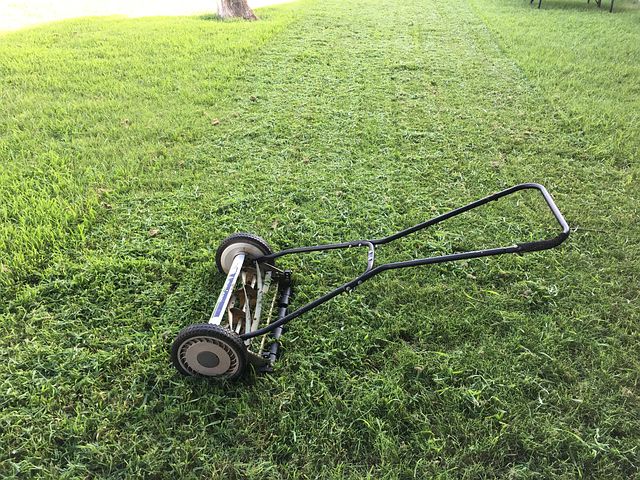
Neighbors complain about Florida man doing yard work naked, police say it is legal


“WASHINGTON (Circa) — Neighbors in Stuart, Florida, are irritated with their fellow resident who has been doing yard work in the nude.

“I came out Sunday night to put the trash out, and I look over and he is bent over, winding up his hose, and I’m like that is my view of the neighborhood,” Melissa Ny, a neighbor, told WPBF-TV. “He works on his car, and he does it naked and everyone has called the police, he is just out there doing his yard work, whatever he needs to do outside, naked.”

Another neighbor believes the man should have some respect for children who live in the area.”

READ THE FULL STORY AT: “WearTV.com“

Wednesday, September 19, 2018

Fall Planting Schedule, Down To Your First Frost Date


Now is the time to start making solid plans for your fall and winter garden. Follow this simple planting schedule for a great start, or visit our online interactive planting calendar for a more detailed description of what you should be planting when based on your exact location and grow zone.  

12-14 Weeks Before Your First Frost Date


Direct Sow: Snap Beans, Cucumbers, Summer Squash, Parsnips, Rutabagas, Cilantro, Lettuce & Radishes. 


——————————— 

10-12 Weeks Before Your First Frost Date


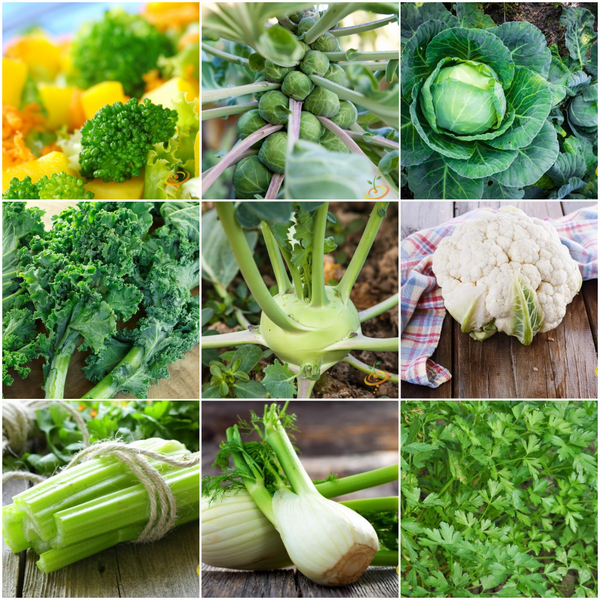
Set Out Starts: Broccoli, Brussels, Cabbage, Cauliflower, Kale, Kohlrabi, Celery, Fennel and Parsley. 


Direct Sow: Beets, Carrots, Collards, Leeks, Scallions, Lettuce, Radish, Peas, and Potatoes. 


——————————— 

8-10 Weeks Before Your First Frost Date


Direct Sow: Arugula, Cabbage, Lettuce, Turnips, Spinach, Mustard, Bok Choy & Radishes. 


——————————— 

6-8 Weeks Before Your First Frost Date


Direct Sow: Spinach, Mache & Lettuce. 


——————————— 


ON or AROUND Your First Frost Date


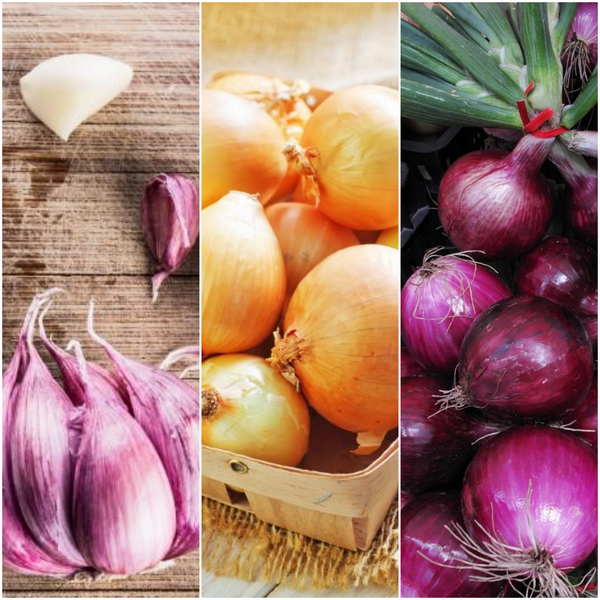
Direct Sow: Garlic, Shallots, & Onions. 

Try our Online Planting Calendar, HERE

Sunday, September 16, 2018

Farm-to-School students make first visit to Urban Farm

“The Farm-to-School program entered another phase this week with visits to the Urban Farm.

The program, a partnership between the Columbia Center for Urban Agriculture and Columbia Public Schools, targets third- and fifth-graders at Alpha Hart Lewis, Battle, Benton STEM, Blue Ridge, Derby Ridge, New Haven, West Boulevard and Parkade elementary schools. They were chosen because of the high number of students receiving free and reduced-price meals. CCUA has received a $41,784 grant from the Boone County Children’s Services Fund, with a match of $31,700 from the school district. It’s a two-year grant.

Charity Keith has started as the Farm-to-School coordinator for the program and already has made initial visits to the schools.

“It’s a very busy schedule,” Keith said about the field trips to the farm.”

Read the FULL STORY at: “ColumbiaTribune.com“

Saturday, September 15, 2018

Sacramento Is Making Urban Agriculture a Way of Life

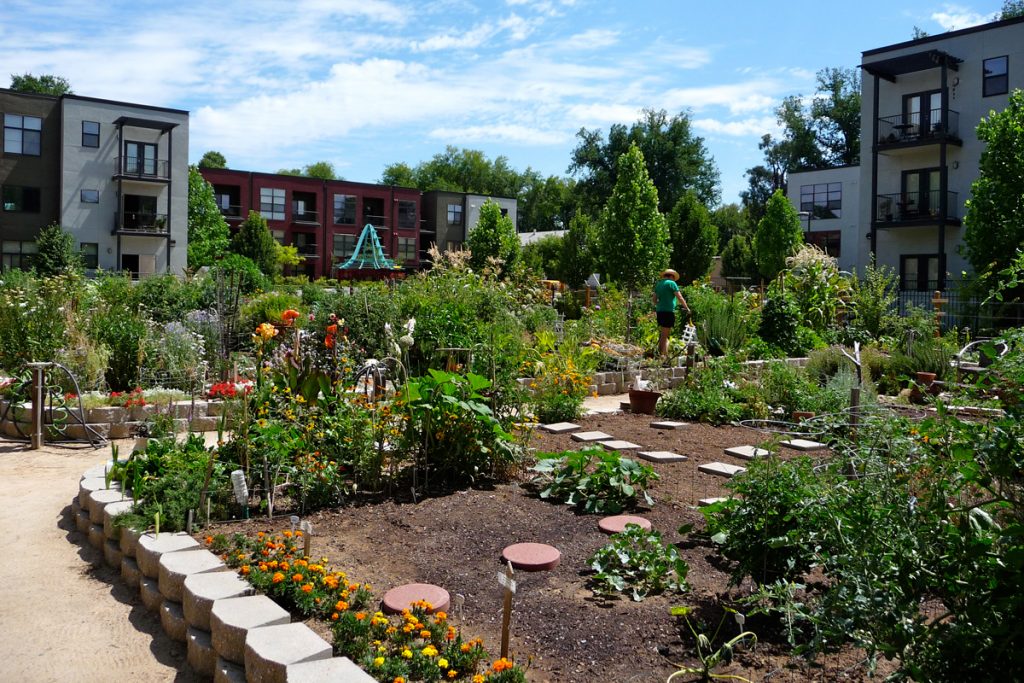
“As the food movement gains strength and farm-to-fork practices become increasingly popular, many cities across the United States are investing in urban agriculture, both to attract tourists and to improve community health. For example, in Detroit, which The Washington Post has dubbed a “food mecca,” advocates are using urban farms and community gardens to help ease food insecurity. And, in Boston, legislation to make urban farming easier has contributed to the city’s reputation as a “haven for organic food” and helped make local produce more available to low-income residents.

Yet few places have been more vocal in their efforts to expand urban agriculture as Sacramento, California. In fact, if you Google “farm to fork,” the top result will take you to a website about Sacramento’s initiatives to support local food.

“Farm-to-Fork isn’t a passing fad or a marketing slogan in the Sacramento region—it’s the way we live,” the website explains, noting that the area’s ideal climate, ability to grow food year-round, and 1.5 million acres of active farmland make it an agricultural leader nationally and globally.”

Read the FULL STORY at: “CivilEats.com“

Friday, September 14, 2018

Sustainable Missoula: Gardens help Missoula’s Native American population get healthy

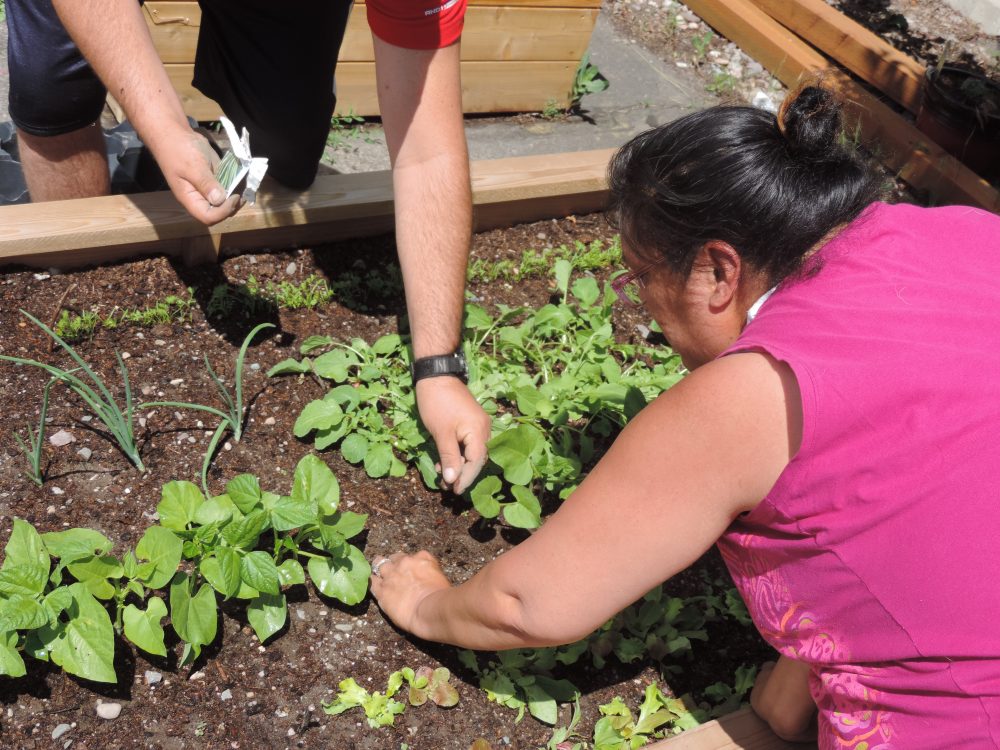
“Sitting on top of a small asphalt parking lot at 830 W. Central Ave., you can find 12 cedar wood raised garden boxes.

The boxes are surrounded by a wooden post-and-cinder block fence to separate it from the rest of the parking lot.

During the summer, you will see most garden staples that tend to do well in Montana, such as onions, carrots, tomatoes, peppers, beets, kale and others, growing vibrantly.

This is the Missoula Urban Indian Health Center (MUIHC) Community Garden.”

View the Original Story at: “MissoulaCurrent.com“