Monday, August 27, 2018

Local food advocates work to bring more urban farms to Northern Nevada

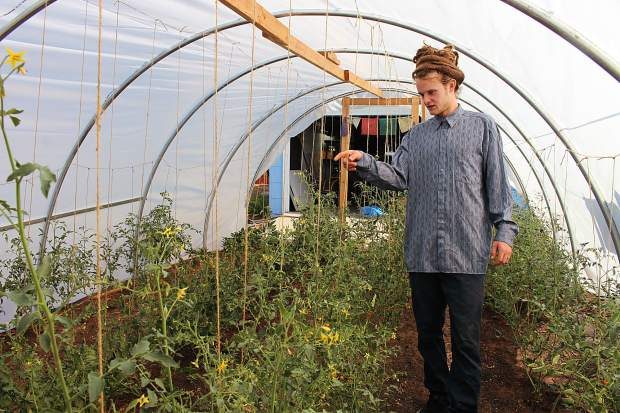
“RENO, Nev. — At Brenton Aikin and Kass Freitas’ home in Midtown Reno, neat rows of kale, salad greens, and baby root vegetables cover the entire front yard. Out back, a greenhouse covers a variety of cherry tomatoes climbing up trellises.

The couple’s crops are not just for personal consumption. It’s their first season producing as Ital Farms, a state-registered urban farm — and an example of what local food advocates hope will be a growing trend in Northern Nevada.

Aikin and Freitas are farming on less than a quarter acre of land, including another residential plot they lease a few minutes from their house. This first season, Aikin estimates they grew 500-600 pounds of salad greens and roughly 400 pounds each of carrots, turnips, and radishes.”

READ THE FULL STORY AT: “NNBusinessView.com

Thursday, August 23, 2018

The World’s 10 Best ‘Table to Farm’ Dining Experiences

“Farm to table” has become so ubiquitous that’s it’s boring. (Also, the term never really made sense to me—doesn’t all food start out on a farm and end up on a table, even if that farm is some massive corporate entity and the food is processed along the way?) Now any chef worth his or her salt is making the most of seasonal ingredients from local farmers, with minimal intervention to them.

It’s a great way to cook and to eat, and bravo to all the chefs who are cultivating relationships with nearby producers. It’s just no longer that exciting. What is exciting, though, is the growing trend of alfresco dinners in the gardens and vineyards that produced their ingredients. Call it “table to farm.”

READ THE FULL STORY AT: “Forbes.com”

Wednesday, August 22, 2018

How Probiotics Really Work (and Why They May Not Fix Your Digestion)

Don’t get me wrong, probiotic supplements and probiotic foods are absolutely incredible, and even life changing in fact; but they may not be the “golden ticket” or the one-size-fits-all treatment for those gut troubles, as most people believe they are.  Digestive issues like bloating, painful gas, diarrhea, constipation, acid reflux, and excessive burping.

There is so much research now that shows a direct correlation between our gut bugs and overall health, even linking specific species of probiotics to very specific health benefits, like Bifidobacterium lactis Bb12 and its use in treatment of eczema in infants.

We have also seen the strong emergence of prebiotics in the functional and naturopathic health scene. Just so that everyone’s on the same page: prebiotics are a grouping of fibers and carbohydrates that our good gut bugs love to feast on to get strong and build bigger and better homes in our intestine, and probiotics are the actual live bugs themselves.

With all this being said, taking a probiotic supplement can’t cure a disease or fix any problem, though it can definitely be a short-term band aid treatment to get you through until you find out what’s really going on in that troubled gut of yours.

Myth: the bacteria inside a probiotic capsule goes straight to your intestine and stays there forever.

I’d like to just take a second and bust the common myth that when you take a probiotic supplement the good bacteria inside the capsule goes straight to your intestine and stays there forever. No, no, no- so not the case. Good quality probiotics that manage to survive the stomach acid and digestive bile acids make their way through the digestive system, but only provide benefit for the short time they ride your digestion roller coaster. That means to continue getting that probiotic benefit you’ll have to continue taking that probiotic, which simply means it’s not a forever fix but a short-term mend.

This is all great and well, but not maintainable for many, especially when a good quality probiotic can cost upwards of $60-$100 per month. Essentially, probiotic supplements are not technically meant to be taken long term, but instead to be used for very specific needs during very specific, short times. According to Dr. Jason Hawrelak, one of the top microbiome leaders of the world, probiotics may colonize in you, but only for a short while and only if they’re a good quality probiotic; even those that “stick” for longer periods (ie. about 2 weeks) will have gradual decline in bacteria numbers each day until they’re essentially undetectable, kind of like semi-permanent hair dye job.

So if taking probiotics doesn’t fix my problem, what will?

First you want to make sure that you have killed off any pathogenic or “bad” bacteria that might be taking up precious space in your gut.  This will help create more space and a better environment in your digestive tract for good bacteria to grow and thrive.  Get a comprehensive stool test, like the GI MAP, so you can see what is growing in your gut.  Test, don’t guess!  Work with a trained professional so that they can use your results to create a drug-free, all natural protocol customized to you.

Then you want to feed your own healthy gut bacteria and provide them an environment where they can multiply and repopulate themselves is actually the best way to fix your digestion long term (though probiotics are an excellent short-term solution).

And this is where your good gut bug’s preferred food, also called prebiotics, makes its stunning entrance! A prebiotic is basically a grouping of certain fibers that have been shown to feed and increase one or more strains of the beneficial bacteria in the gut. This study, that pinned the best of these fibers against each other, found that partially hydrolyzed guar gum (PHGG), fructo-oligosaccharides (FOS), and trans-galacto-oligosaccharides (TOS) all out performed other forms of supplemental fiber by allowing fermentation by only specific beneficial bacteria, increasing the production of exceptional fermentation byproducts like short chain fatty acids and butyrate in the gut (Vulevic, Rastall, & Gibson, 2004).

What this is really saying is that certain fiber supplements or prebiotics can actually feed your good bacteria and REPOPULATE them in your gut for good- unlike probiotic supplements. Essentially, fiber strengthens your microbiome more than probiotic supplements do.  But there is one word of caution here.  If you have a lot of pathogenic bacteria in your gut then these prebiotics can feed them too.  This is why step number one (testing and eliminating pathogens) is so important!

If you’ve grown up taking rounds of antibiotics for a stubborn infection, developed chronic diarrhea or constipation, deal with bouts of eczema or psoriasis, have chronic urinary tract or yeast infections, or even deal with anxiety and depression on a regular basis, it might be time to test for pathogens and add some microbiome boosting fiber into your diet. Your gut bacteria will thank you for it.

Already been working on your gut health and still having troubling symptoms?  Learn more about working with Sara by clicking on the link below to schedule a FREE 30 minute discovery call. Because no, tummy troubles are not normal. But it is possible to heal. So cheers to you on your personal health journey!

Schedule Your FREE 30 Minute Discovery Call

written by Paula Cole, MS, NDTR

References:

Dr. Jason Hawrelak, ND, BNat (Hons), PhD, FNHAA, MASN, FACN, Chief Research Officer at Probiotic Advisor. Learn more at https://ift.tt/2PwS9ZB

Siitonen, S., Vapaatalo, H. & Salminen, S. (1996). Colonization of the human gastrointestinal tract by probiotic bacteria (Lactobacillus GG). Nutrition Today, 31, 5s-9s.

Tallon, R., S. Arias, et al. (2007). “Strain- and matrix-dependent adhesion of Lactobacillus plantarum is mediated by proteinaceous bacterial compounds.” J Appl Microbiol 102(2): 442-451.

Vulevic, J., Rastall, R., & Gibson, G. (2004). Developing a quantitative approach for determining the in vitro prebiotic potential of dietary oligosaccharides. FEMS Microbiology Letters, 236(1), 153-159. doi:10.1016/j.femsle.2004.05.036

The post How Probiotics Really Work (and Why They May Not Fix Your Digestion) appeared first on The Organic Dietitian.
Real Food on a Budget: Oatmeal Cookie Energy Bites

I have never actually shared the story of how I became The Organic Dietitian and what started my road to functional nutrition (vs. conventional).  This long journey has lead me to my dream job where I get to help support my clients with hormone and digestive issues from the inside out.  It all started with my oldest sister.  Eight or so years ago she introduced me to a website called 100 Days of Real Food.  Since I was a dietitian already my sister knew that it would be right up my alley and boy was she right!

This was the start of my journey down a road that opened my eyes to change what I was teaching as a nutrition professional.  Starting with the idea of eating real food.  The fact that processed food could be contributing to all sorts of health issues.  The idea that what I had thought was good for me wasn’t!  The thought that what we eat has tremendous impact on our health.

From that moment on I never stopped learning.  I was able to change my health for the better and now I help others get to the root of their health issues, starting with real food!  Lisa Leake created 100 Days of Real Food as a challenge to her family to eat better and in turn created a movement to help others cut out the processed food.  This is a mission that I could get on board with and have been supporting it ever since.

I was able to get my hands on a copy of her latest cookbook, 100 Days of Real Food on a Budget:  Simple Tips and Tasty Recipes to Help You Cut Out Processed Food Without Breaking the Bank.  Lisa is also allowing me the chance to share a recipe with YOU!

Some Cookbook Highlights

So many people don’t think eating real food can be affordable and can be a big obstacle to changing eating habits.  I am happy to report that all the recipes in this book are $15 or less per recipe.  Now even though this doesn’t take organic into account, even just starting with real food that isn’t organic is better than processed foods.

One of my favorite parts of a good cookbook are looking at all of the beautiful pictures of the recipes.  We eat with our eyes first after all.  Every recipe in this book includes a picture of the completed product!

As a dietitian that often works with dietary restrictions I was super happy to see that each recipe included information helping those with special needs pick out recipes that fit their needs.  75 recipes are (or can be) gluten-free and 49 recipes are (or can be) dairy-free.

You can also find some great tips from Lisa (who has now been shopping real food for years now) on how she helps keep her food budget down while still eating more nutritious foods.

A great cookbook and resource!

Eat Real Food on a Budget @organicRD
Click To Tweet

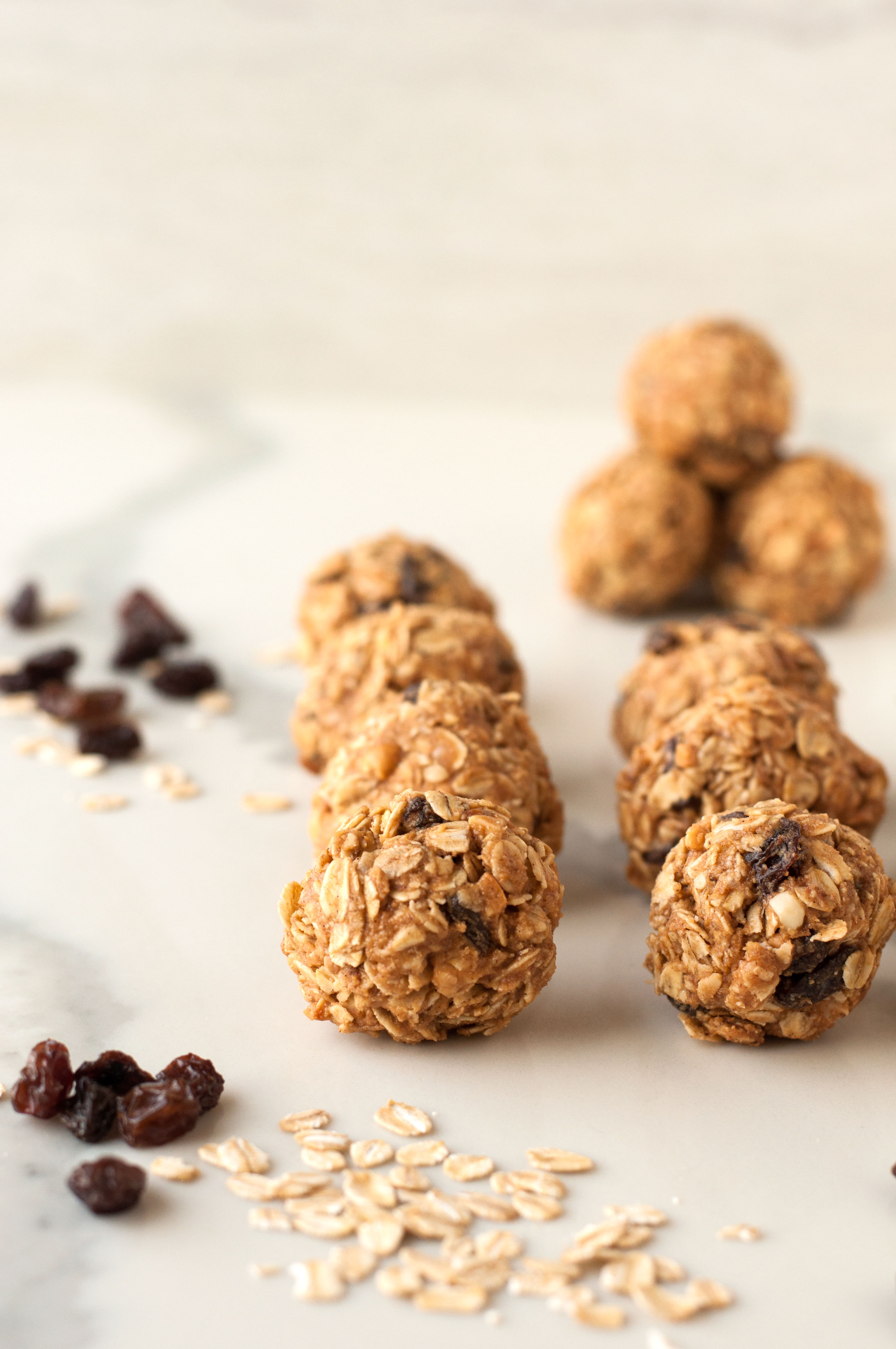
There were so many great recipes to choose from in here.  I made the Oatmeal Cookie Energy Bites from the book and they were one of the easiest things ever and only 5 simple ingredients.  Just dump all the ingredients into a bowl, mix, and roll into bite size rounds.  No oven required!

What have been your favorite resources when it comes to eating well on a budget?  Share your tips with me in the comments!

Oatmeal Cookie Energy Bites

Only 5 simple ingredients and no oven required.  The perfect little bite sized snack.

  • 1 1/2 cups rolled oats
  • 2/3 cup peanut butter
  • 1/2 cup raisins
  • 1/4 cup pure maple syrup
  • 1/2 teaspoon ground cinnamon
  1. In a large bowl, combine all the ingredients and stir until well mixed.  Roll into 18 bite-size balls with wet hands to keep the mixture from sticking to your (or use a melon scooper to help).  Store in the refrigerator in an airtight container for up to 1 week.

The post Real Food on a Budget: Oatmeal Cookie Energy Bites appeared first on The Organic Dietitian.

Monday, August 20, 2018

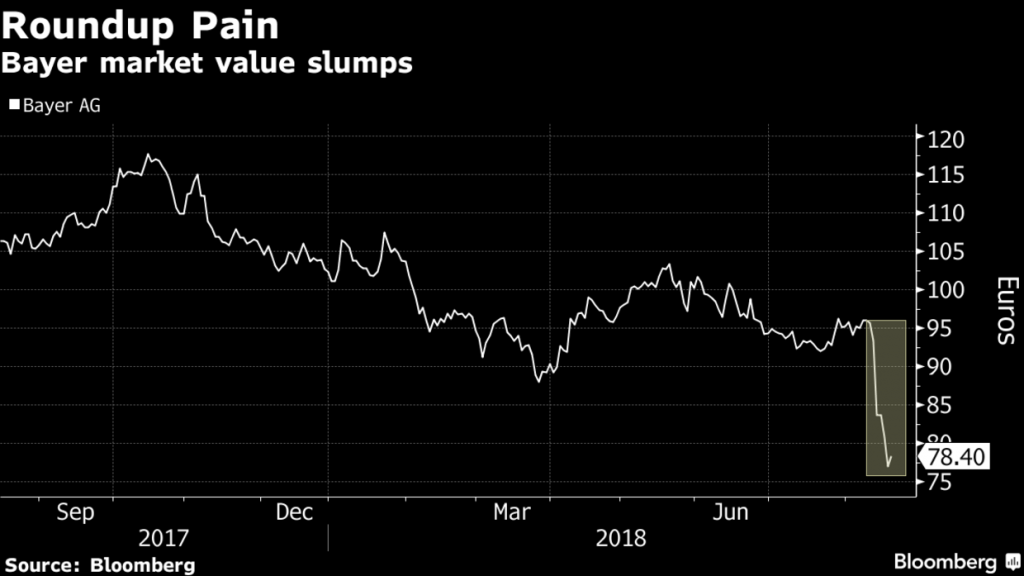
The Other Monsanto Chemical Bayer Investors Should Watch

“Some Bayer AG investors were surprised to learn about the thousands of farmers lining up before U.S. courts to argue that Roundup — the blockbuster weedkiller the German company recently acquired when it bought Monsanto Co. — had given them cancer. But Roundup is hardly the only chemical in Monsanto’s portfolio carrying legal risks.

There are also lawsuits aplenty for dicamba, its next best-selling herbicide, which U.S. farmers are spraying on about 50 million acres of soybean and cotton crops this summer to combat weeds that have become resistant to Roundup.

Dicamba has a tendency to vaporize after being sprayed and drift onto neighboring fields, harming crops and other plants that aren’t genetically modified to withstand its effects. More than 1 million soybean acres are claimed to have been damaged this year as of mid-July, and last summer, that number was more than 3 million.

Monsanto and other crop-chemicals companies have come up with formulations that they say will stay put when applied correctly. St. Louis-based Monsanto pins the crop damage on incorrect application by farmers, and that’s going away with increased training. The company has received only a third of the complaints about an off-target movement that it did last year, while acres have more than doubled, said Scott Partridge, vice president at Monsanto. Moreover, 12 states last year saw record soybean yields.”

READ THE FULL STORY AT: Bloomberg.com

Friday, August 17, 2018

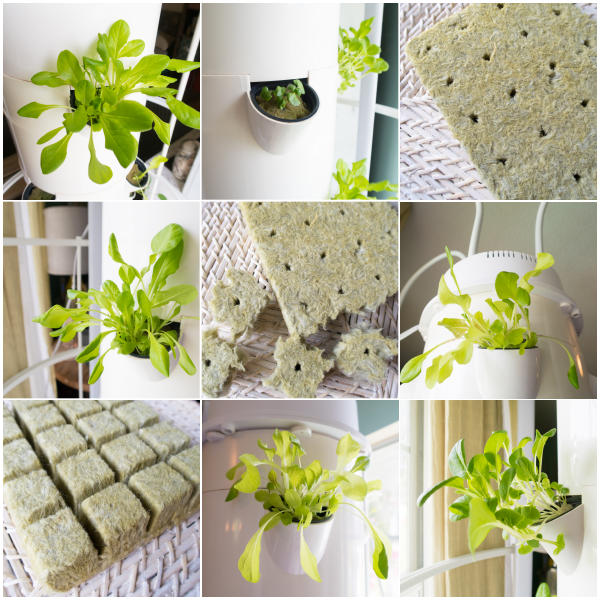
7 Tips For Using Rockwool To Start Your Seeds

If you’re looking for an easy way to start your seeds, we suggest giving rockwool cubes a try! Follow these simple 7 Tips For Using Rockwool and it might end up being your new favorite grow medium.

Ready to buy seeds that will grow well in rockwool? Have a look at these:

All-in-One Tower Garden Variety Pack 

All-in-One Hydroponic Greens Variety Pack

Thursday, August 16, 2018

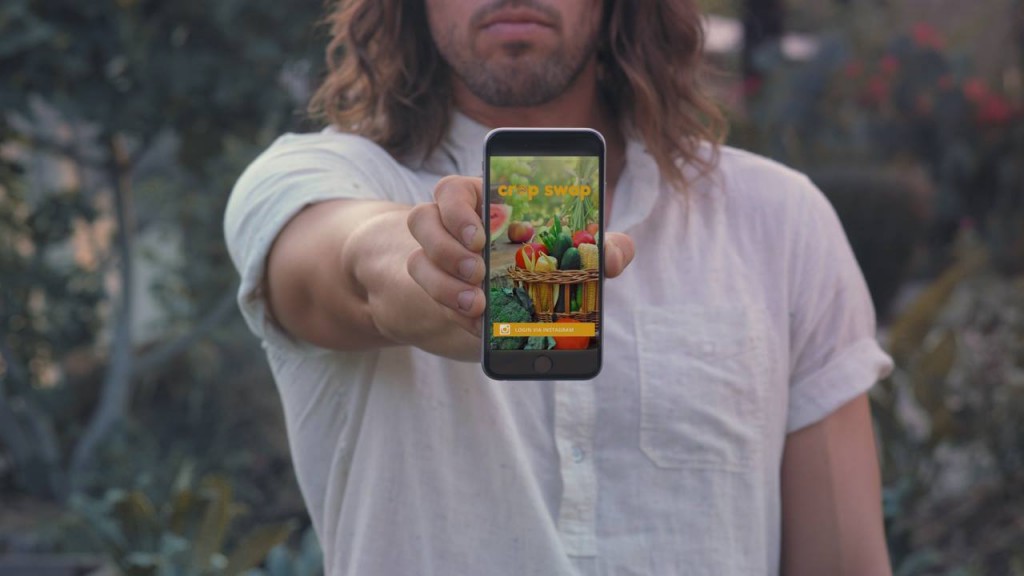
DOWNLOAD this APP to purchase or trade LOCAL, organic produce

The news many of you have been waiting to hear — Android!

We are looking at a beta release for August 21st to be in the Google Playstore

————————————————————–

About CropSwap
Our App:

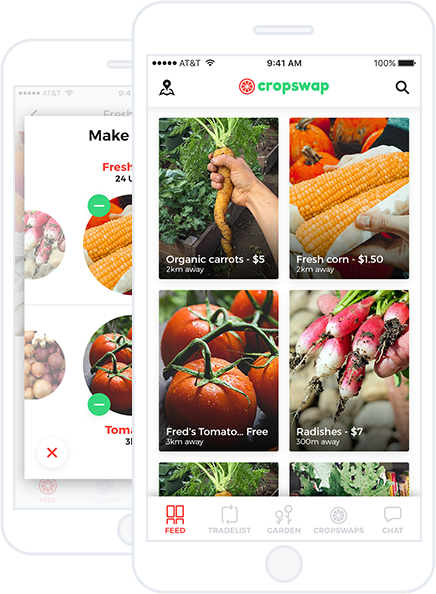
We’ve created an iOS application that allows you to purchase or trade organic produce being grown in your community.

Our Idea:

Our food system is broken. Produce available in grocery stores is often genetically modified, sprayed with chemicals, picked before it’s ripe, and shipped in gas guzzling semi trucks across the country (if not the world!) to get to you. Most people understand the importance of eating locally. CropSwap will provide the framework to do just this.

Our Goal:

We want everyone everywhere to grow food. We want to reawaken biodiversity and a LOVE of the seed. We want to work with the earth and take care of her. We want to lift up communities and change our food system.

 Go download it and start selling, buying and trading produce with folks around you.

Customer Reviews
Genius!!! Love the app 😀  //   by EstefaniaRebellon

I just signed up a friend recommended this app to me because I don’t like shopping at overpriced groceries stores like Whole Foods or even Ralph’s in LA. Sometimes you can taste the chemicals on the fruit and it’s expensive to eat healthy which is crazy to me but that’s a whole other deal. Anyways CROPSWAP is easy to follow and I love the chat option. I don’t have a garden so I don’t have anything to swap but I am on it as a hungry customer looking for organic produce from people who I don’t mind giving my money too lol. Great app if you’re trying to eat healthy and save!!! Love it!!!!

Revolutionary! //  by farmerjacky

This app is giving power to the people! We don’t have to rely on the industrial farming and grocery system, we can grow our own and share with others. Thank you Cropswap for making this life-changing tool! This is sure to reduce waste, packaging, travel distances, chemicals and everything else that gives conventionally grown and purchased food such a large carbon footprint. No more! Drawdown is within our hands. We can live in a way that sequesters carbon, fosters personal growth, and inspires community building. Three cheers for this app!

Love this!  //  by Mathgirl22

I grow a lot of my own food at home but don’t have room to grow everything I want. This app is awesome at connecting you with other local growers so you can trade for other crops! I love this idea, it’s so unique and helpful for people who want to be more self-sustaining. Just like the old days of bartering! I just wish more people would join soon so I can get more variety of crops 😉

15895486_1313907465319031_6592740219913917645_o