Thursday, November 29, 2018

How Women Are Changing Agriculture, Despite a History of Discrimination

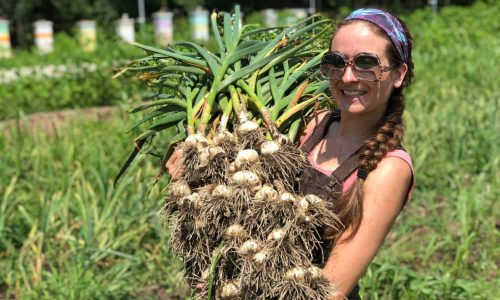
Women have been contributing to American agriculture (often invisibly) for centuries. Now, they’re stepping into the profession’s spotlight in a new way.

When the National Young Farmers Coalition (NYFC) surveyed more than 3,500 farmers under 40 in 2017, 60 percent of the farmer respondents were women. And in 2012, the United States Department of Agriculture (USDA) Census of Agriculture found that 14 percent of principal farm operators were women, a nearly 300 percent increase since 1978, when it began counting women as farmers.

Before that, as “farm wives,” women’s work went unnoticed. “There are real implications from that,” says Audra Mulkern, who started the Female Farmer Project to call attention to how women were missing from agricultural narratives. “What have we missed because we haven’t heard women’s voices? What lessons did we not learn? What knowledge is missing?”

READ THE FULL ARTICLE: “FoodTank.com“

Tuesday, November 27, 2018

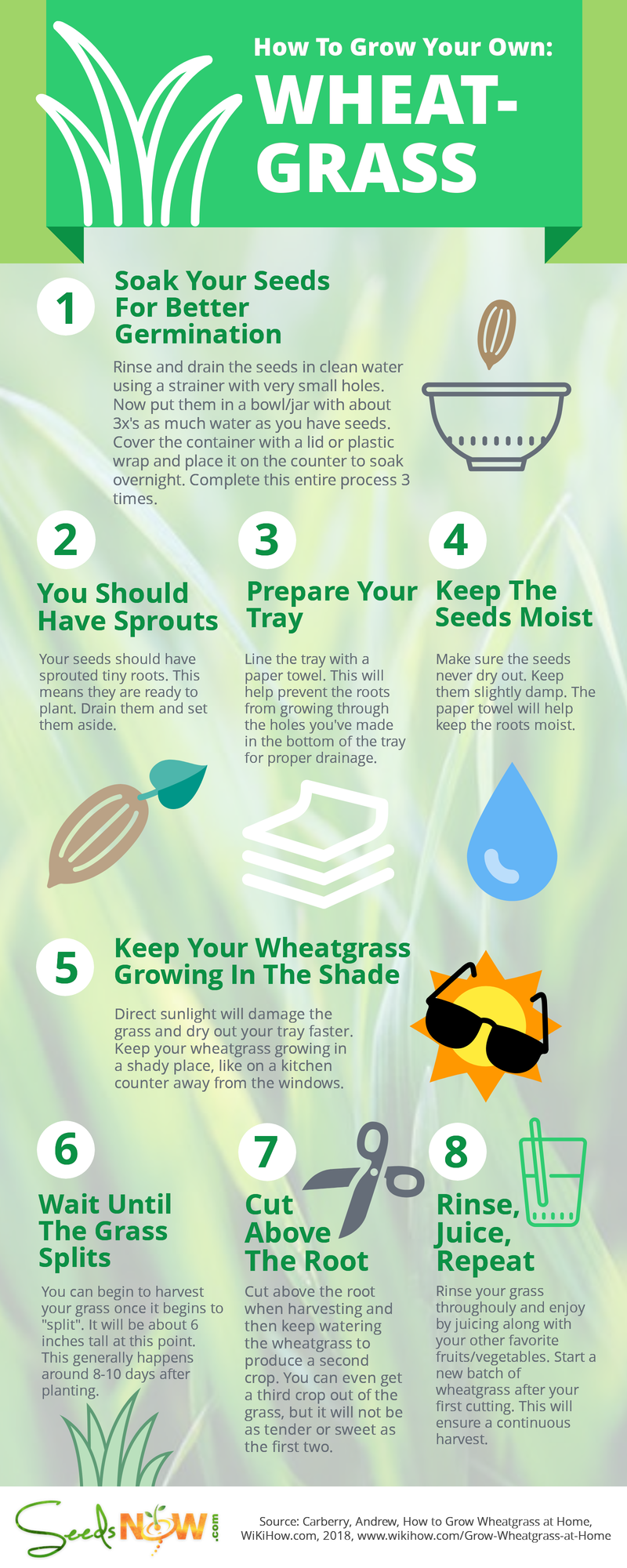
How To Easily Grow Your Own Healthy Wheatgrass At Home

Growing your own wheatgrass at home is easy and fun to do! There are a lot of different methods on how to do this, but below we are going to share with you some of our favorites! There are both soil and soil-less methods, so choose which will work best for you. Before you get started, get your wheatgrass seeds.

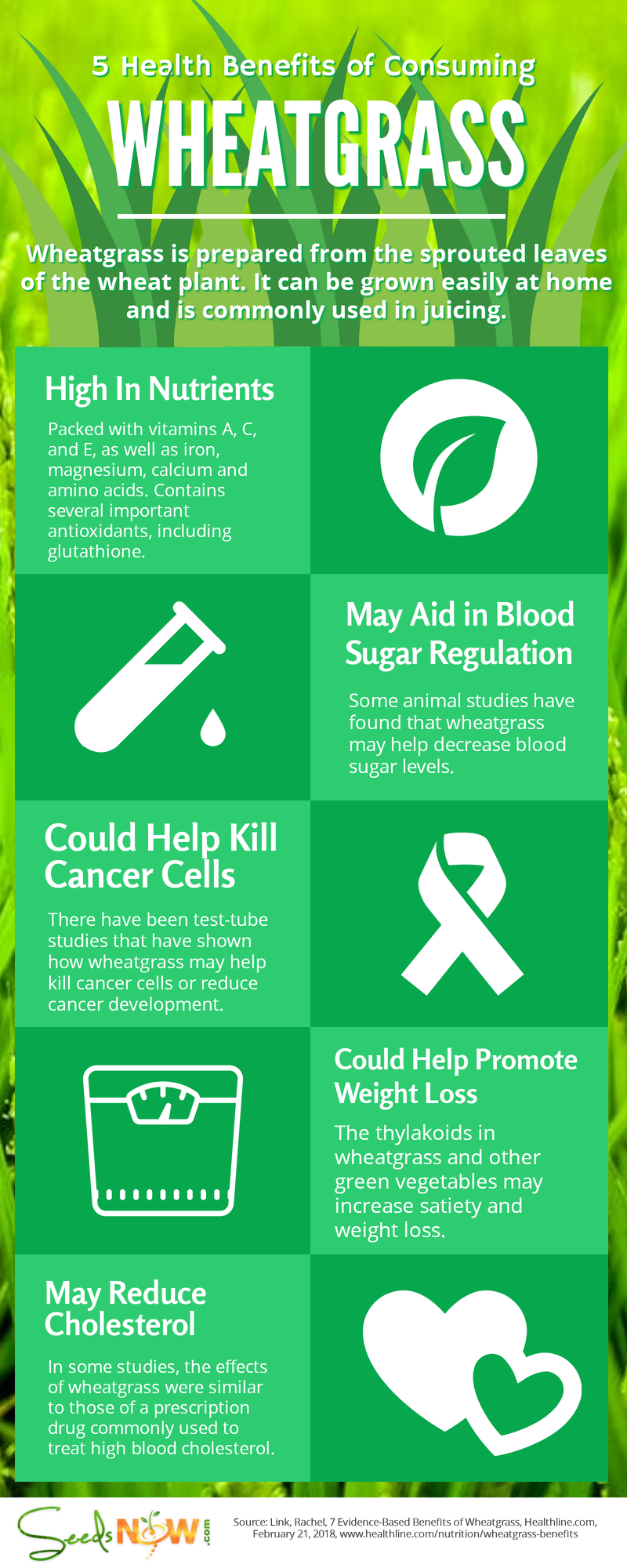
As you can see, wheatgrass can be easily grown and prepared at home. Some claim it can do everything from detoxifying the liver to improving immune function & boost weight loss. Nevertheless, wheatgrass delivers many amazing benefits. Let’s see what happens to your body if you drink wheatgrass daily.

Now that we’ve talked about the amazing health benefits of consuming wheatgrass and showed you how to grow your own, here are some great ways to enjoy your raw, healthy, nutrient-packed wheatgrass!


Ready to start growing your own Wheatgrass? 
SHOP Wheatgrass seeds!

Monday, November 26, 2018

Urban farms are becoming budding business enterprises

“Urban farms cropping up all over Richmond are more than backyard gardens on steroids.

Joe Jenkins and his wife, Whitney Maier, were growing more organic vegetables in raised beds in their backyard in North Richmond than they could eat, so he started taking some to his job at a restaurant to give to co-workers.

The chef there said the arugula was better than what he was getting from vendors and that he wanted to buy it from Jenkins.

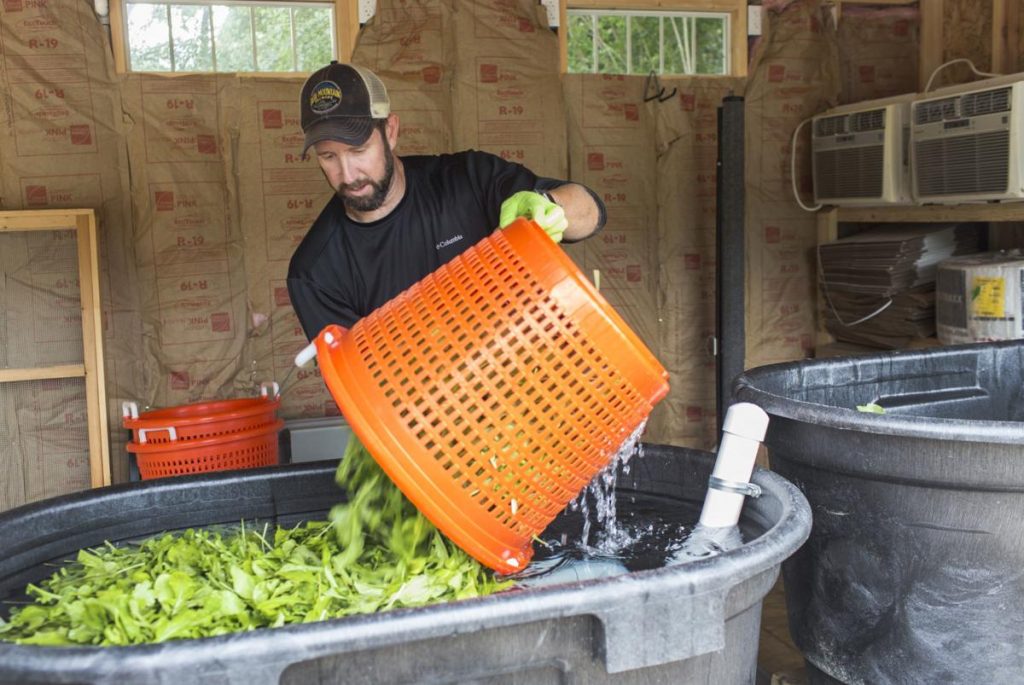
Jenkins and business partner Josh Dziegiel operate Bow Tide Farms, which grows and sells arugula, mixed greens and other produce to about half a dozen Richmond restaurants.

At Shalom Farms’ new Westwood urban farm in North Richmond, mostly volunteers work there, including those that recently helped farm manager Katharine Wilson harvest sweet potatoes — produce that went to food access initiatives such as a healthy corner store project, mobile markets and local food banks.”

READ THE FULL STORY AT: “Richmond.com“

Saturday, November 24, 2018

Why You Might Want To Consider Starting Your Own Urban Garden

“The growing information about possible negative health effects caused by over-processed foods and artificial additives like artificial sweeteners has fueled interest in eating clean. Now more people are opting to eliminate artificial additives, such as flavors and preservatives, and replace them with simpler whole ingredients like fresh produce and whole grains.

Watch the video above, created in partnership with Panera, alongside Wilson, to see how urban gardeners like McCollister are lifting up their communities by changing the food system and creating access to clean, organic ingredients.”

READ THE FULL STORY at: “HuffPost.com“

Friday, November 23, 2018

In Order To Find The Perfect Antidepressant: Get Your Hands Dirty While Gardening!

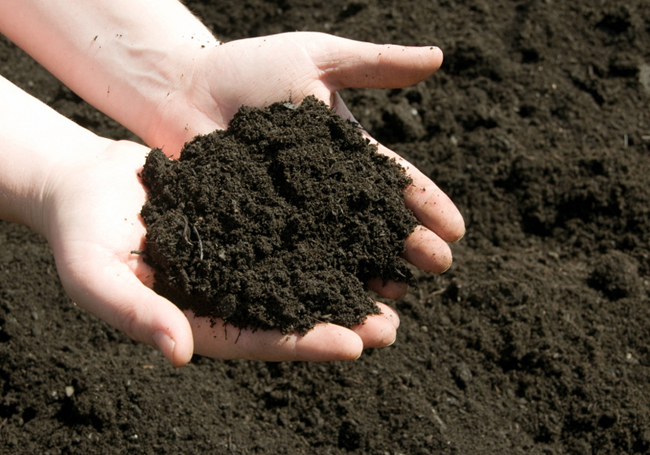
“There is a small bacteria called mycobacterium that people who are suffering from depression, anxiety, or other similar issues, should know all about. Scientists claim that this – and maybe other microorganisms – has a comparable positive effect on humans as pharmaceutical have. However, it is important to mention that the negative side effects, observed with regards to pharmaceutical, are not included in the case of this bacteria. Start getting your hands dirty in the compost or topsoil while gardening. The only thing you need is to get into direct contact with the soil or even just breathe the air around it.

The microbes found in the soil have similar effects on the brain as antidepressant medicines have, but without creating a potential chemical dependence. You can become happier and healthier by using this 100% natural antidepressant. Dirt can bring happiness in your life. The natural effects of the soil bacteria can be noticed for up to 3 weeks, or at least that was what rat experiments have indicated. People have been using natural remedies for centuries as cures for physical pain and even mental and emotional afflictions. Even if historically people couldn’t explain why a natural remedy worked, they still observed the changes it brought and used it as often as necessary.”

Read the FULL article at: “GoodsHomeDesign.com“

Wednesday, November 21, 2018

Silicon Valley ‘Agrihood’ Project Combines Senior Housing and an Urban Farm

“A real estate development in the works for Silicon Valley is bringing together affordable senior housing with an urban farm, as part of the “agrihood” movement. The project exemplifies the growing trend of combining farming and senior living, as well as the trend of multi-generational housing.

An agrihood places agriculture right in the midst of residential neighborhoods. The concept has gained in popularity over the last several years and seemed a natural fit for a 6-acre parcel of land in Santa Clara, California, said Vince Cantore, senior development manager at The Core Companies. Based in nearby San Jose, Core was awarded the site through a request for proposals issued in 2015, and now the integrated development and construction firm is in the last stages of the entitlement process.

“We’re paying homage to the past history of the site,” Cantore told SHN.

The site — 17 acres in its entirety — was previously used by the University of California to conduct research on agricultural best practices. The real estate also included housing constructed in the 1920s to house widows of Civil War veterans.”

READ THE FULL ARTICLE AT: “SeniorHousingNews.com“

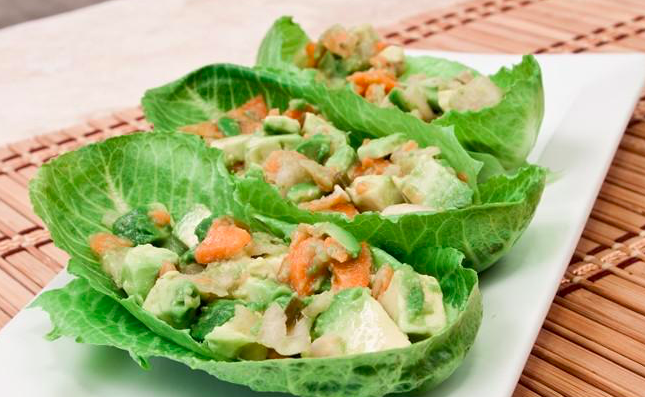
BREAKING NEWS: E. coli FOUND in Romaine Lettuce!

According to sources at Business Insider, “Romaine is off the table again because of E. coli poisoning, and the lettuce trouble reveals why outbreaks are so common!”

Source: businessinsider.com

“CDC, public health and regulatory officials in several states, Canada, and the U.S. Food and Drug Administration (FDA) are investigating a multistate outbreak of Shiga toxin-producing Escherichia coli O157:H7 (E. coli O157:H7) infections linked to romaine lettuce.”

“CDC is advising that U.S. consumers not eat any romaine lettuce, and retailers and restaurants not serve or sell any, until we learn more about the outbreak. This investigation is ongoing and the advice will be updated as more information is available.”

Source: cdc.gov