Hair loss, thinning hair, and male or female pattern baldness are no fun! It can happen to anyone, at any time, and there are numerous potential causes.
If you know me, then you know that I like to investigate the root cause of symptoms and not just manage them. The same can be said for hair loss.
I’ve worked with many clients who have experienced hair loss or thinning hair as a symptom. Yes – it is a symptom, a sign of something deeper going on. The downside is that it can take some time and patience to figure out the root cause. And it can take some time for your hair to start growing back.

So what can CAUSE hair loss? 1.
Nutrient deficiencies
Poor diet, digestive issues, and low enzyme or stomach acid production can cause nutrient deficiencies in our bodies.
It may not simply be enough to take a multivitamin. If your body can’t properly break down and absorb nutrients from a vitamin, then taking a multivitamin may not do much for you. So if your experiencing digestive symptoms such as diarrhea, constipation, bloating, excessive and painful gas, reflux, anxiety, depression, or eczema, then you NEED to address that first. I use a comprehensive stool test and GI MAP with my clients to look for pathogens and customize a protocol to improve gut health. Improving gut health will help improve nutrient deficiencies, which can help hair loss.
2.
Hormone imbalances
Imbalances can involve numerous different hormones: cortisol, estrogen, testosterone, or thyroid hormones.
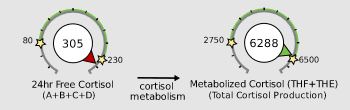
If you are under stress or have inflammation (even in the gut) your cortisol levels have likely been impacted. When your body is under stress, it prioritizes resources that help you deal with stress instead of helping you make hair.

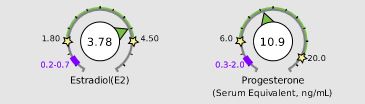
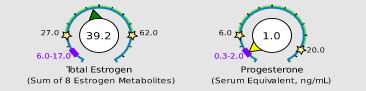
Excess estrogen can lead to thinning hair. For example, during and after pregnancy estrogen levels peak and then dip, causing sudden hair loss for many women. But your estrogen can be high or low at any time for a number of reasons. Are you experiencing PMS, heavy periods, painful periods, breast tenderness, irritability, or fibroids? This could be due to altered estrogen levels.


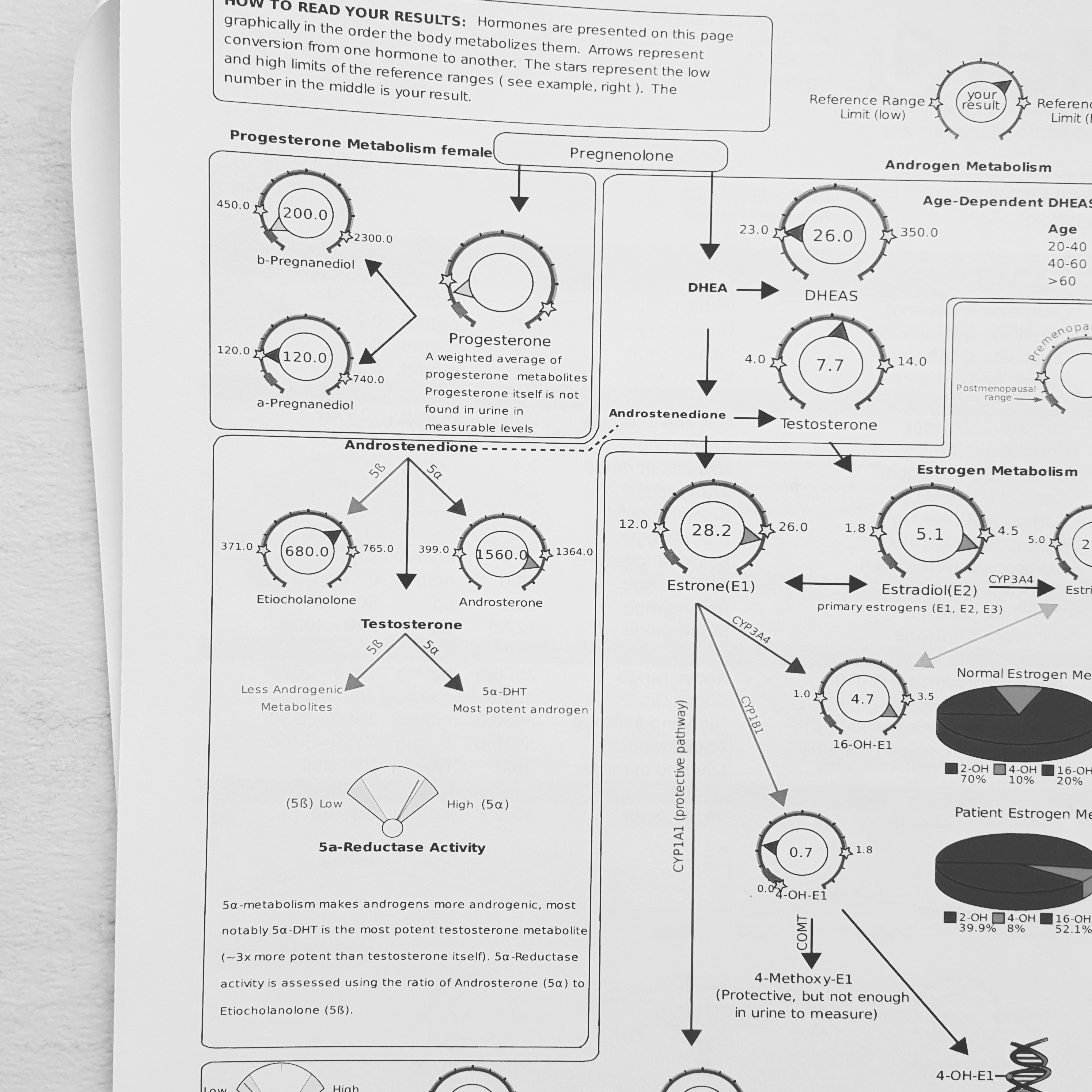
Elevated testosterone is also problematic for your locks – and not just for men. Too much testosterone can cause hair growth on the face, neck or chest, but hair loss on your head. It may not be enough to simply test testosterone via blood. You also want to know which pathway testosterone is going down: the 5 alpha or beta pathway. If you have “normal” or even low testosterone levels, but the testosterone in your body is going down the wrong 5 alpha pathway, then your testosterone is becoming three times more potent. This can still cause symptoms such as hair loss. How do you know which pathway yours is going down? A urine test, such as a DUTCH hormone test, is the key to finding out.
Hypo- or hyperthyroid can also contribute to losing hair. When your body is under stress due to hormone imbalances, like fluctuating thyroid levels, it redirects resources from noncritical processes in your body like hair growth. Just like it does with cortisol.
Since hair loss is a common symptom in those who have a hormone imbalance, it’s important to do a few simple tests to see what’s really going on in your body. Addressing the underlying issue of an imbalance can improve the symptom of hair loss, and many other symptoms you may be experiencing.
3.
Low iron or iron deficient anemia
Iron deficiency can cause your body to channel oxygen to support vital functions instead of keeping your hair intact. Hemoglobin carries oxygen for the growth and repair of cells in your body, including the cells that stimulate hair growth. Anemia can be caused by a decrease or loss in that hemoglobin.
The interesting thing is that iron deficiency isn’t just caused by not eating iron-rich foods or by a bleed. Low iron can also be a symptom of copper toxicity or gut pathogens. Copper deficiency, as well as excess, can impact iron metabolism. Copper deficiency leads to anemia while copper excess can cause a different type of anemia, hemolytic anemia. Birth control (pills, patch, ring), copper IUDs, copper pipes, or getting copper passed along to you inutero can all contribute to copper issues.
4.
Blood sugar issues, insulin resistance, and diabetes
Sugar is very sticky (even when floating around in your blood) and can essentially clog hair follicles, which can prevent healthy hair growth. Diabetics often lose hair all over their bodies because of circulation issues. This prevents much-needed nutrients from even getting to the hair follicle, causing a lack of the necessary resources to grow hair.
The first step you can take if you suspect blood sugar imbalances would be to take a look at your diet.
5.
Infections in the scalp (less common)
If you have tried everything else and still don’t see improvement, then it might be time to visit your doctor to see if something else is going on, like a scalp infection.
If you are dealing with hair loss or thinning hair, address the ROOT CAUSE. Hopefully now you know a little more about WHAT could be causing this symptom. It is absolutely possible to address the issue in a natural, healthy way. Get proper testing and work with a practitioner that knows what to look for and how to help you find YOUR cause.
WANT TO WORK WITH ME? SCHEDULE A COMPLIMENTARY, NO-OBLIGATION DISCOVERY CALL WITH ME. WE’LL USE THIS TIME TO MAKE SURE WE’RE THE RIGHT FIT BEFORE COMMITTING TO WORK TOGETHER.
Schedule Your FREE 30 Minute Discovery Call
As a Registered Dietitian certified in Stress and Hormones by Functional Diagnostic Nutrition, I help clients get proper testing, assist in the process of reading those results using clinical correlation (treating the patient and not just the test results), and give them the proper tools (diet, supplements, and lifestyle) to start the healing process.
The post 5 Common Causes of Hair Loss appeared first on The Organic Dietitian.

 “Eco-consciousness is a hot trend. It’s become a common occurrence to see shoppers with reusable grocery totes at the supermarket. Bamboo straws are flying off shelves as people opt for eco-friendly products. Urban gardening and composting, too, has taken root as consumers try to minimize their carbon footprints.